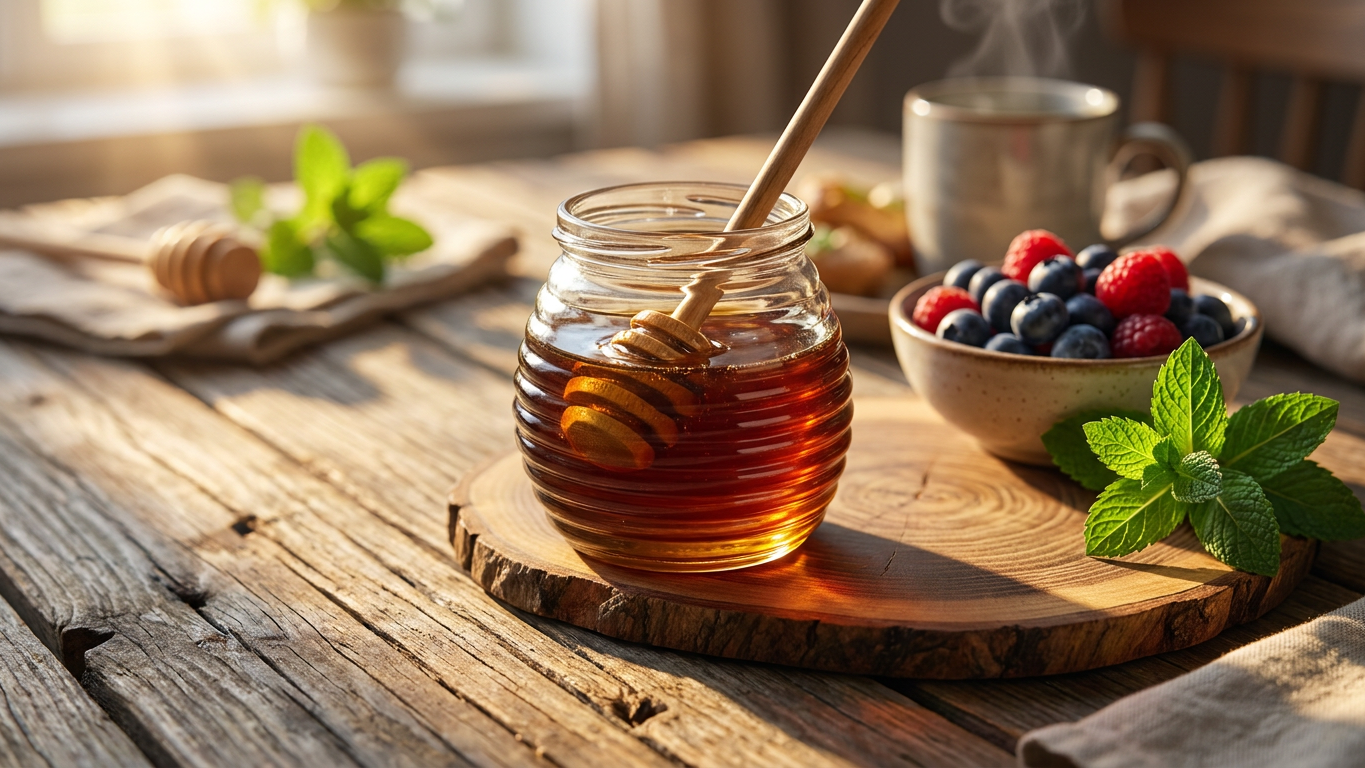
Ginger has been used in cooking and traditional home remedies for centuries because of both its strong flavor and the wide range of benefits commonly associated with it. Found in teas, soups, curries, herbal drinks, marinades, and natural remedy mixtures, ginger continues to remain one of the most widely used ingredients in kitchens around the world.
One of the best known compounds in ginger is gingerol, which contributes to its distinctive spicy flavor as well as many of its traditionally discussed health-supporting properties. Ginger is especially popular during colder seasons because of its warming effect and the comforting sensation it provides in drinks and broths.
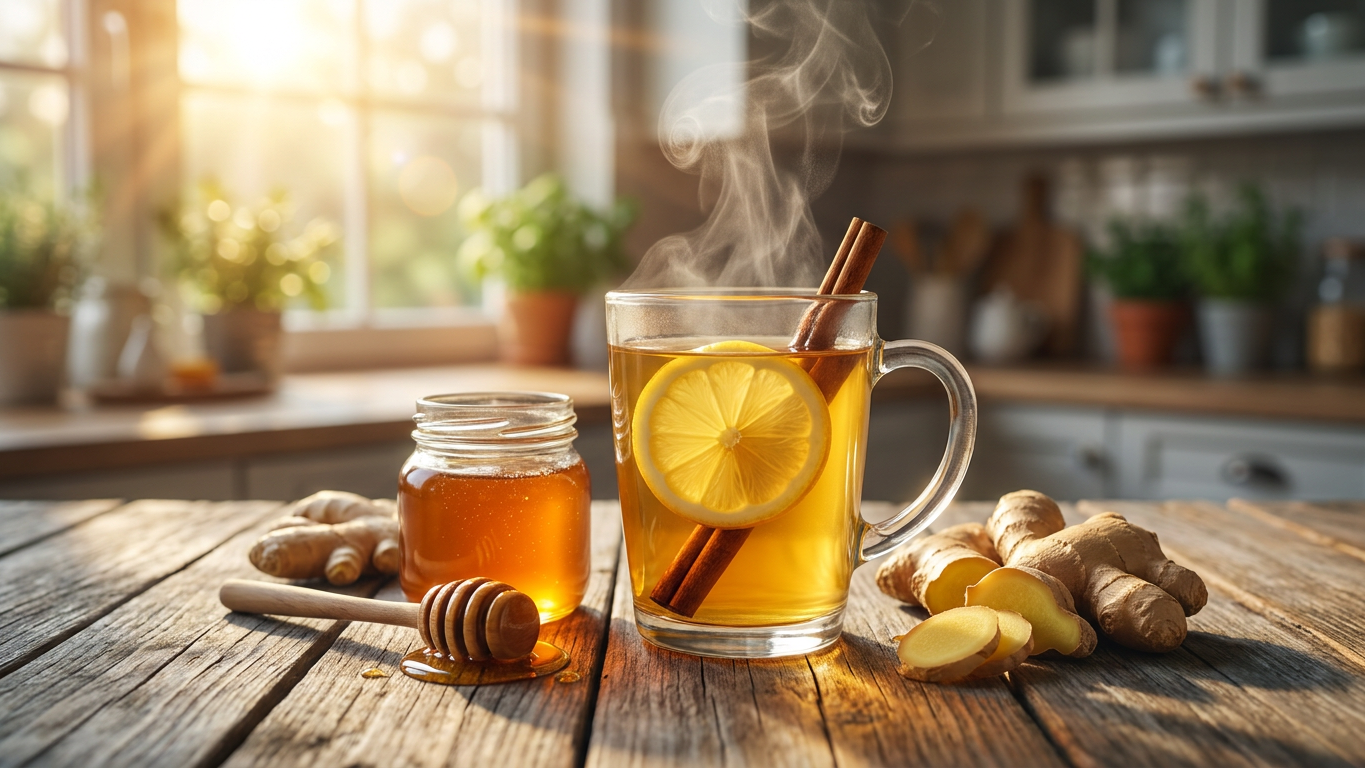
Ginger is commonly associated with digestive support and is frequently consumed after heavy meals because many people find it soothing for bloating, stomach discomfort, and feelings of heaviness. Ginger tea is also widely used in many households because it is often discussed in relation to nausea and motion discomfort.
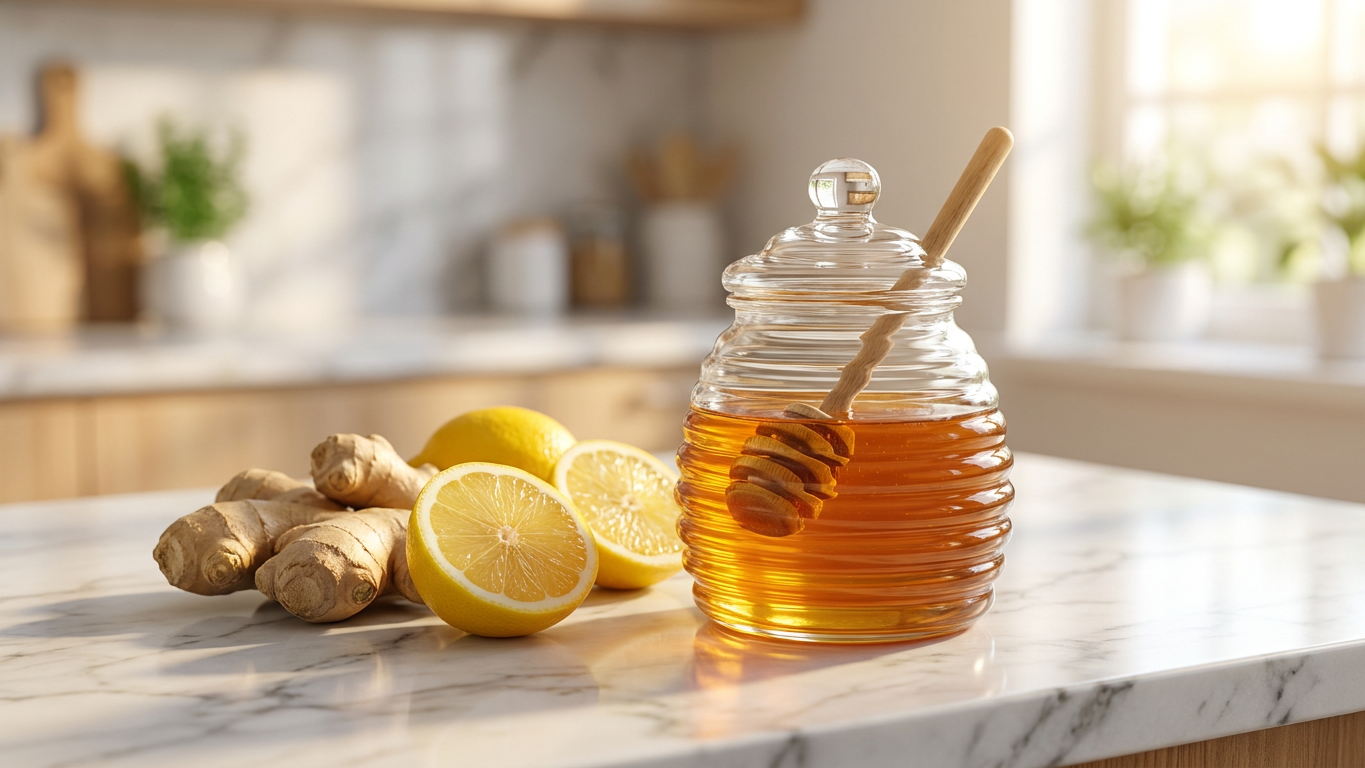
Another reason ginger remains highly valued is its connection to immune-supporting and seasonal wellness routines. Homemade drinks combining ginger with honey, lemon, or black pepper are commonly prepared during weather changes and colder months because these ingredients are traditionally associated with warmth and comfort.
Ginger is also frequently discussed for its antioxidant and anti-inflammatory properties. This is one reason it continues to appear in many wellness-focused diets and homemade health drinks. In traditional food practices, ginger is often appreciated not only for taste but also because it helps meals feel lighter, warmer, and easier to digest.
In cooking, ginger does far more than simply add spice. It reduces strong odors in meat and seafood, balances richness in creamy or fatty dishes, brightens soups and broths, and adds freshness to marinades and sauces. Ginger and garlic together are used as the foundation of many savory dishes because they quickly create aroma and depth during cooking.
Fresh ginger is also extremely versatile. It can be sliced into tea, blended into sauces, grated into stir-fries, cooked into desserts, added to rice dishes, or paired with honey in simple homemade mixtures. Recipes such as ginger honey blends, mutton yakhni, spicy pepper beef karahi, and masala teas all show how ginger can move easily between nourishing drinks and deeply savory meals.
Even today, despite modern supplements and processed wellness products, ginger continues to remain one of the most trusted ingredients in traditional kitchens because it combines flavor, practicality, and widely appreciated health-supporting qualities in one simple root.