
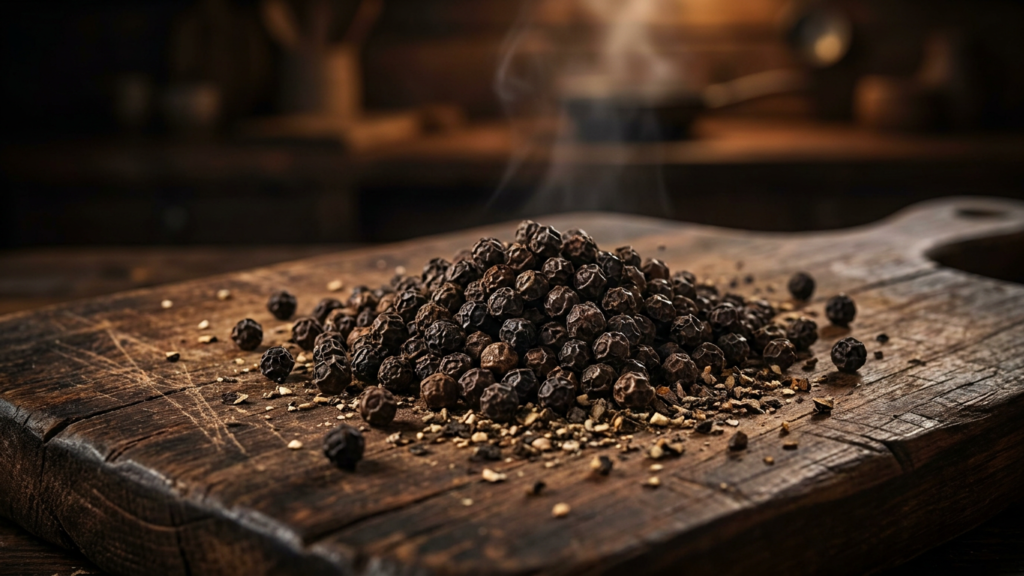
Black pepper is one of the world’s most widely used spices. People have valued it for centuries for its sharp flavor and aroma. Today, cooks use it in everything from soups and eggs to meat, pasta, and rice dishes.
What Makes Black Pepper Special?
Black pepper comes from dried peppercorns. Its main active compound, piperine, gives the spice its distinctive pungent flavor. Researchers also study piperine for its potential effect on the absorption of certain nutrients and plant compounds.
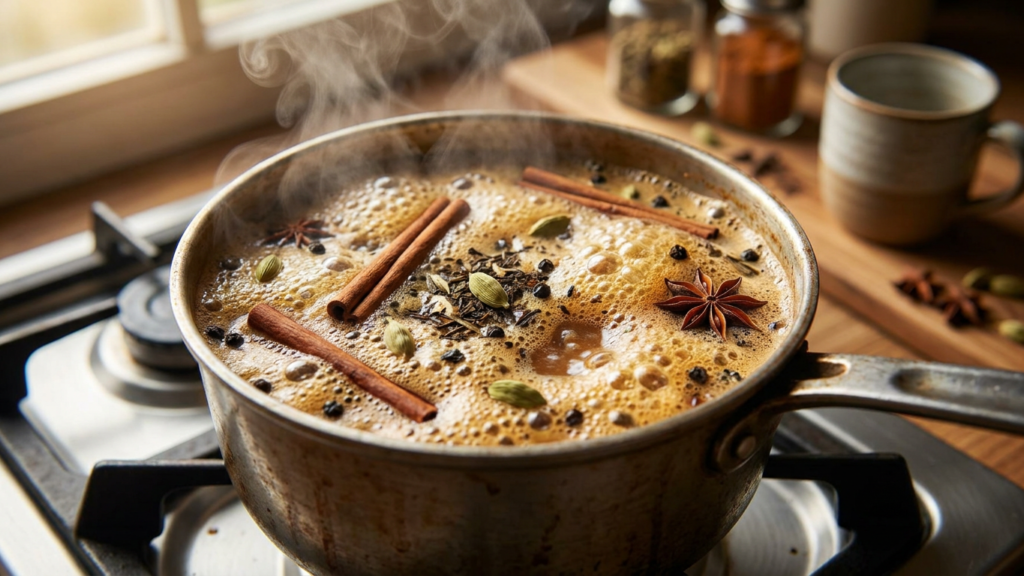
Many traditional food cultures pair black pepper with turmeric, ginger, and other aromatic ingredients. This combination adds warmth and depth to both meals and homemade drinks.
Black Pepper Nutrition
Black pepper contains various plant compounds with antioxidant properties. Its strong flavor also means that you only need a small amount to enhance a dish.
Rather than using large quantities, cooks can add freshly ground pepper to bring more aroma and character to everyday meals.
Black Pepper in Everyday Cooking
Black pepper works well with a wide range of ingredients. You can add it to soups, broths, eggs, vegetables, meats, sauces, marinades, salads, pasta, and rice dishes.
Freshly cracked pepper often provides a stronger aroma than pre-ground pepper. It can also add a more noticeable layer of flavor to simple dishes.
How Black Pepper Adds Flavor
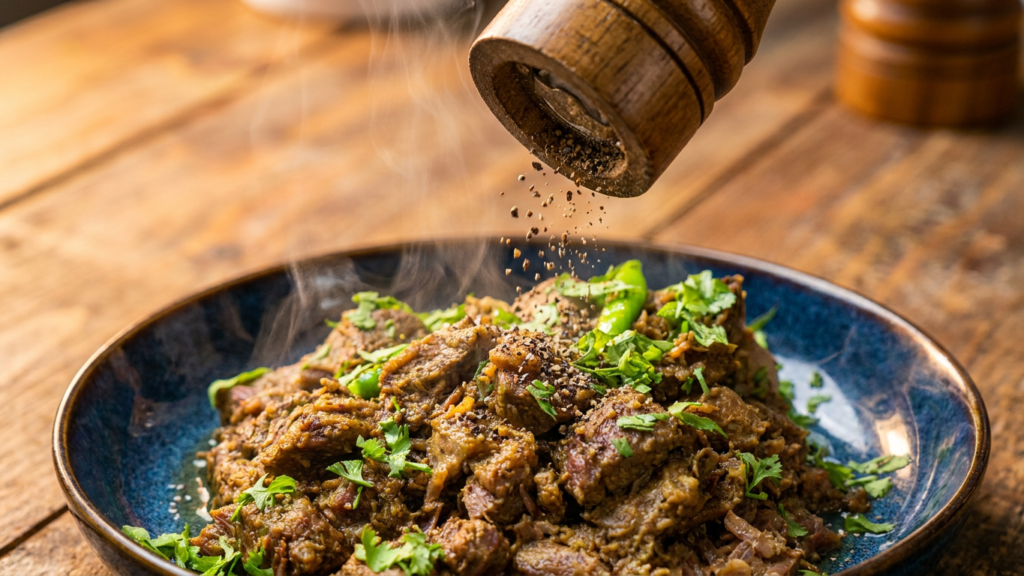
Black pepper can balance rich and creamy foods while adding gentle warmth. It works especially well with fatty or savory ingredients.
Dishes such as spicy pepper beef karahi, creamy beef and mushroom pasta, mutton yakhni, and masala egg dishes use black pepper to build warmth and complexity.

Traditional Uses of Black Pepper
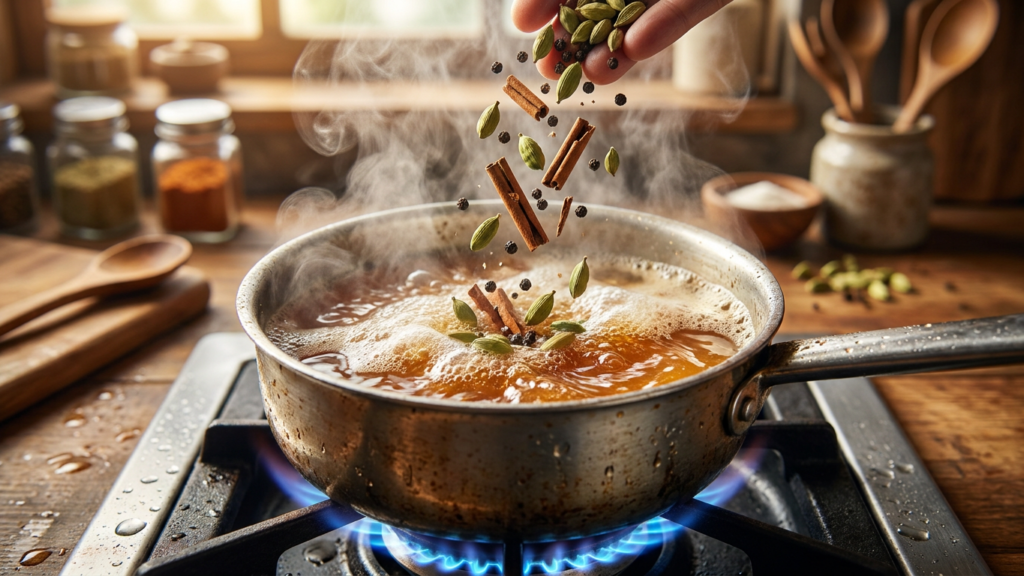
Many traditional food cultures have used black pepper alongside other warming spices. People have often included it in meals and drinks as part of traditional approaches to digestion and overall comfort.
These long-standing culinary practices have helped keep black pepper an important ingredient across generations.
Why Is Black Pepper Called the King of Spices?
Black pepper has played an important role in global trade for centuries. Its value in cooking and commerce helped earn it the nickname “King of Spices.”
Traders carried pepper across Asia, the Middle East, and Europe. Its popularity has continued into modern kitchens because the spice remains affordable, versatile, and easy to use.
Why Black Pepper Remains Popular
Black pepper continues to earn its place in kitchens around the world. Sprinkle it over eggs, add it to spice rubs, stir it into soups, or crack it over pasta and meat dishes.
Its bold aroma, versatility, and concentrated flavor make it an easy way to add depth to everyday cooking.