Eggs: A Simple, Nourishing, and Versatile Everyday Food

Eggs have remained one of the most widely used foods across cultures for generations because they combine simplicity, versatility, and nourishment in a remarkably practical way. From traditional breakfasts such as Khageena to baked dishes like Saffron Creme Brulee, soups, breads, and desserts, eggs continue to play an important role in everyday cooking around the world.

One of the reasons eggs are so valued is their naturally high-quality protein content. They are also a source of important nutrients including vitamin B12, choline, selenium, and healthy fats, which is why they are often included as part of balanced and nourishing meals.

Eggs are especially appreciated because they are easy to prepare and work well with many different flavors and ingredients. They can be boiled, fried, scrambled, poached, baked, or added into savory and sweet recipes with very little preparation time. This flexibility makes them ideal for both simple home cooking and more elaborate meals.

In many kitchens, eggs are also valued for their convenience. They cook quickly, are easy to store, and can help create satisfying meals using only a few ingredients. Recipes such as High Protein Egg Cups show how eggs can be transformed into practical make-ahead meals for busy mornings and meal preparation. Combined with vegetables, herbs, cheese, or proteins, eggs can easily become part of wholesome and comforting dishes suitable for different times of the day.

Recipes such as cheesy egg cups show how simple ingredients can be transformed into practical and flavorful meals with minimal effort. Their soft texture, savory richness, and portability make them especially useful for busy mornings, meal preparation, or light homemade snacks.

Today, eggs continue to remain one of the most dependable and versatile ingredients in everyday cooking because they combine nourishment, affordability, convenience, and flavor in a naturally balanced way.

Why Homemade Snacks Feel More Satisfying Than Packaged Snacks

There is a noticeable difference between snacks made at home and many heavily processed packaged snacks. Homemade snacks often feel richer in texture, more balanced in flavor, and far more satisfying because they are built around real ingredients rather than artificial flavoring and excessive processing.

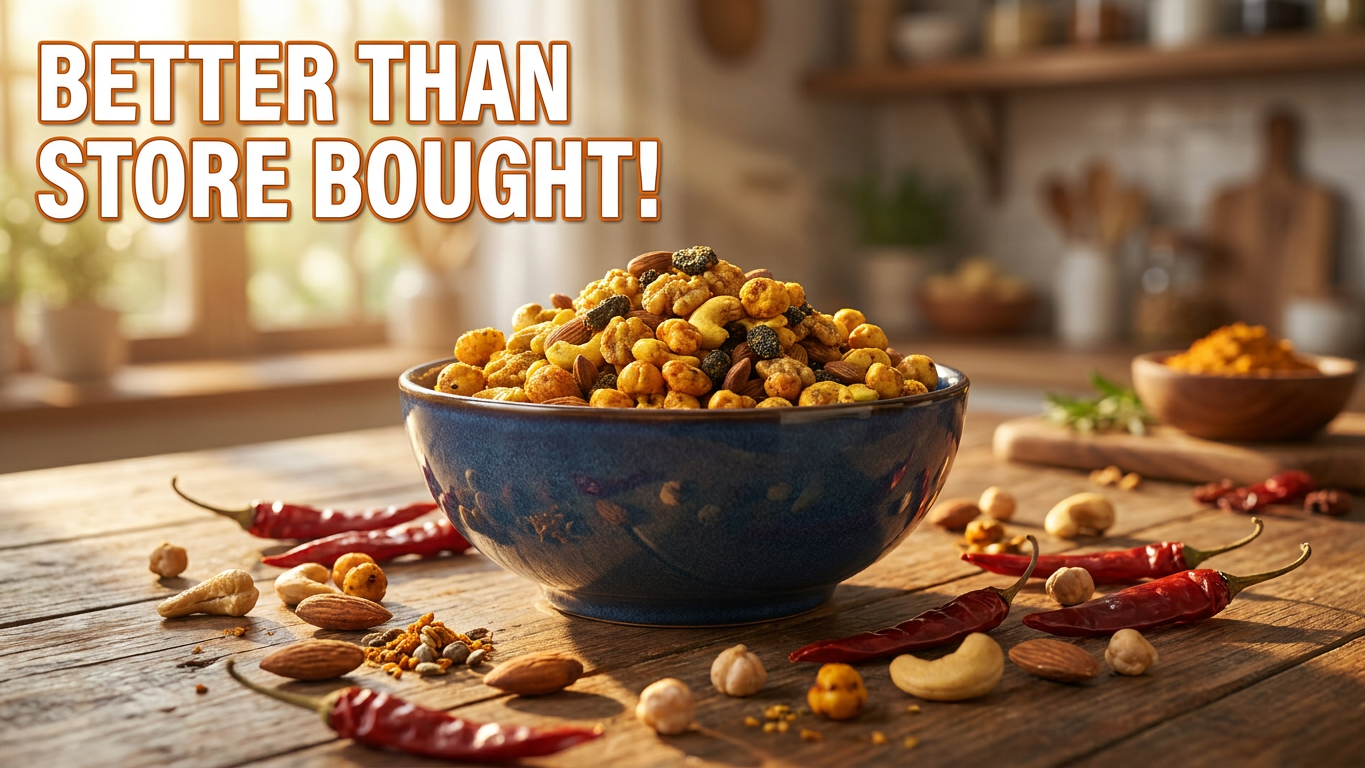
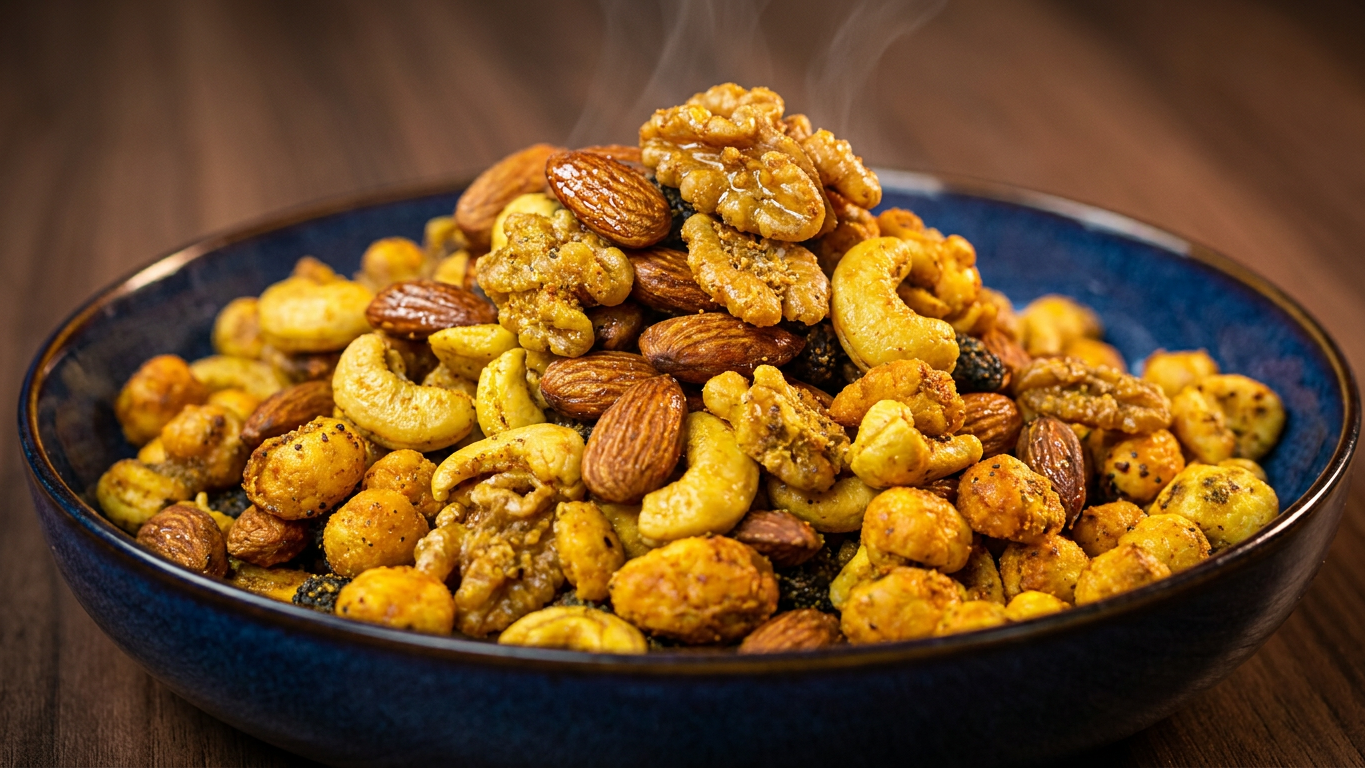
Nuts are a strong example of this. When freshly roasted, their natural oils deepen in flavor, their texture becomes more crisp, and their aroma becomes far more noticeable. Adding spices during roasting creates layers of warmth and complexity that packaged snacks often try to imitate artificially.

Another reason homemade snacks feel more satisfying is texture. Crunch plays a major role in how enjoyable snacks feel, and freshly roasted nuts deliver a crispness that feels fuller and more substantial. Combined with healthy fats, protein, and fiber naturally found in nuts, they often feel more filling compared to snacks built mostly from refined starches and additives.

Spices also transform the experience completely. Black pepper, chili, paprika, cumin, garlic, or warming spice blends can create depth and heat without requiring complicated ingredients. Small changes in seasoning can make the same batch of roasted nuts feel smoky, spicy, savory, or deeply aromatic.

Homemade snacks also reconnect people with slower and more intentional food preparation. Roasting nuts at home fills the kitchen with aroma, allows better control over ingredients, and creates snacks that feel fresher and more personal than mass-produced alternatives.

Today, many people return to homemade snacks not only for nourishment, but because they simply taste better. The crunch of freshly roasted nuts, the warmth of spices, and the richness of real ingredients create a kind of satisfaction that processed convenience foods often fail to deliver.

Why Traditional Dips Feel More Satisfying Than Processed Snacks

Traditional dips and spreads have remained part of many food cultures for generations because they combine real ingredients, rich flavor, and nourishment in a naturally satisfying way. Foods such as hummus, yogurt dips, bean spreads, herb sauces, and nut-based pastes continue to remain popular because they are built around simple wholesome ingredients rather than heavy processing.

One of the reasons traditional dips feel more satisfying is the balance of texture, flavor, and nourishment they provide. Ingredients such as chickpeas, tahini, olive oil, yogurt, garlic, herbs, nuts, and spices contribute protein, fiber, healthy fats, and savory richness that help foods feel more substantial and filling.

Unlike many highly processed snacks, traditional dips are also often designed to be eaten slowly and shared alongside breads, vegetables, grilled foods, or simple homemade meals. This creates a more balanced and mindful eating experience centered around flavor, variety, and comfort.

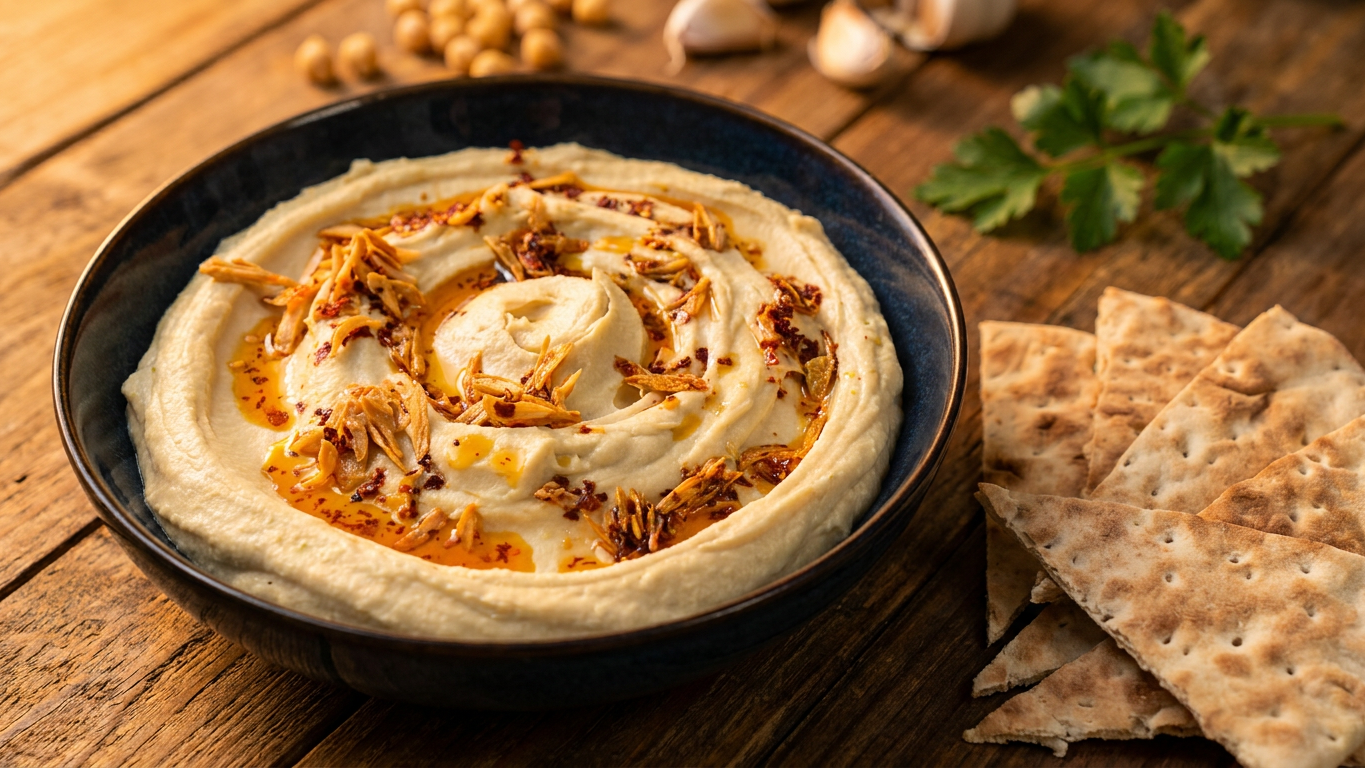
Hummus is a strong example of this balance. Chickpeas and tahini provide richness and texture, while olive oil, lemon, and garlic create freshness and depth without requiring artificial flavoring or excessive ingredients. Small additions such as garlic chili oil, herbs, or roasted vegetables can further enhance flavor while still keeping the dish rooted in simple homemade cooking.

Traditional dips also reflect an important part of communal food culture across many Eastern and Middle Eastern cuisines. Shared platters, mezze spreads, and small flavorful dishes continue to remain connected with hospitality, gathering, and relaxed home-style meals.

Today, many people continue to return to traditional dips because they offer something that highly processed snacks often lack — real ingredients, meaningful flavor, nourishment, and the comforting feeling of homemade food prepared with simplicity and balance.

Nuts: Nutrients, Health Benefits, and Why They Deserve a Place in Everyday Eating

Nuts have been valued in traditional diets for centuries because they combine healthy fats, protein, minerals, fiber, and rich flavor in one naturally dense food. Almonds, walnuts, pistachios, cashews, pecans, hazelnuts, and other nuts continue to remain widely appreciated not only as snacks, but also as ingredients used in desserts, sauces, savory dishes, breakfasts, and energy-rich homemade foods.

One of the main reasons nuts are so highly regarded is their nutrient density. Even small portions provide important nutrients including magnesium, vitamin E, zinc, selenium, potassium, healthy fats, and plant-based protein. Because of this combination, nuts are often included in balanced diets focused on nourishment, satiety, and long-lasting energy.

Healthy fats found in nuts are another major reason they continue to receive attention in nutrition-focused discussions. Many nuts naturally contain unsaturated fats, including omega-3 fatty acids in walnuts, which are commonly associated with heart-conscious eating patterns and balanced long-term dietary habits.

Nuts are also widely discussed because of their protein and fiber content. This combination helps snacks and meals feel more satisfying and filling compared to foods built mainly around refined sugars or processed carbohydrates. Homemade snacks such as spicy roasted nuts or date and nut crunch bars often feel more sustaining because they combine texture, healthy fats, natural sweetness, and protein together.

Vitamin E is another important nutrient commonly found in almonds and several other nuts. It is frequently discussed in relation to skin health and antioxidant support. Minerals such as magnesium and zinc also play important roles in normal body function, muscle activity, and energy production.

Another reason nuts remain highly versatile is the variety of ways they can be used in cooking. Ground nuts can add richness to sauces and curries, crushed nuts create texture in desserts, and roasted nuts deepen flavor in snacks and savory dishes. Nuts are also commonly paired with honey, dates, dark chocolate, oats, yogurt, and dried fruits because their richness balances sweetness beautifully.

In many traditional kitchens, nuts are closely associated with festive foods, nourishing desserts, winter recipes, and energy-rich homemade snacks. Recipes such as date and nut crunch bars, saffron desserts, spiced nuts, and traditional sweets often rely on nuts not only for flavor but also for texture and richness.

Today, nuts continue to remain one of the most respected whole foods because they combine nutrition, versatility, convenience, and satisfying texture in a natural form. Whether blended into sauces, added to desserts, roasted for snacks, or paired with dates and honey, nuts continue to hold an important place in both traditional recipes and modern balanced eating habits.

Ginger Health Benefits and Why It Has Been Used for Generations

Ginger has been used in cooking and traditional home remedies for centuries because of both its strong flavor and the wide range of benefits commonly associated with it. Found in teas, soups, curries, herbal drinks, marinades, and natural remedy mixtures, ginger continues to remain one of the most widely used ingredients in kitchens around the world.

One of the best known compounds in ginger is gingerol, which contributes to its distinctive spicy flavor as well as many of its traditionally discussed health-supporting properties. Ginger is especially popular during colder seasons because of its warming effect and the comforting sensation it provides in drinks and broths.

Ginger is commonly associated with digestive support and is frequently consumed after heavy meals because many people find it soothing for bloating, stomach discomfort, and feelings of heaviness. Ginger tea is also widely used in many households because it is often discussed in relation to nausea and motion discomfort.

Another reason ginger remains highly valued is its connection to immune-supporting and seasonal wellness routines. Homemade drinks combining ginger with honey, lemon, or black pepper are commonly prepared during weather changes and colder months because these ingredients are traditionally associated with warmth and comfort.

Ginger is also frequently discussed for its antioxidant and anti-inflammatory properties. This is one reason it continues to appear in many wellness-focused diets and homemade health drinks. In traditional food practices, ginger is often appreciated not only for taste but also because it helps meals feel lighter, warmer, and easier to digest.

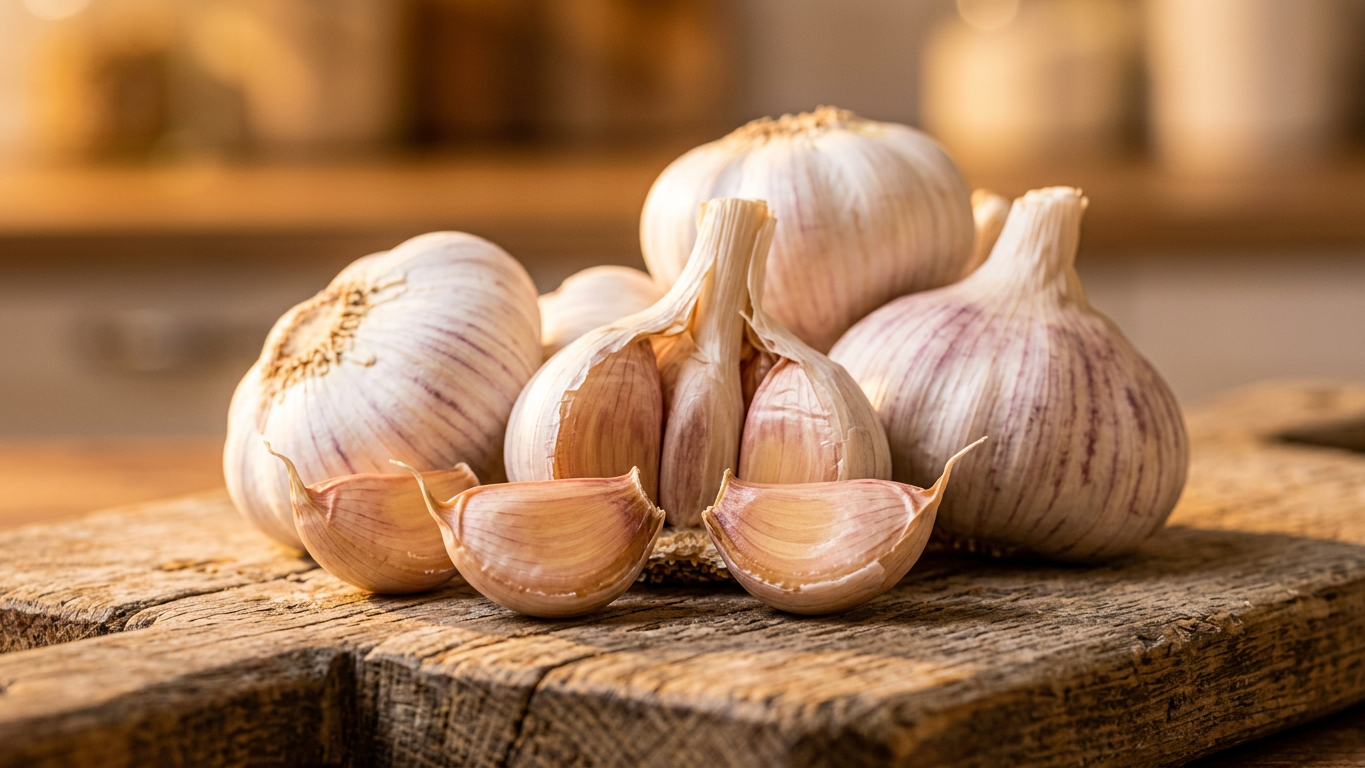
In cooking, ginger does far more than simply add spice. It reduces strong odors in meat and seafood, balances richness in creamy or fatty dishes, brightens soups and broths, and adds freshness to marinades and sauces. Ginger and garlic together are used as the foundation of many savory dishes because they quickly create aroma and depth during cooking.

Fresh ginger is also extremely versatile. It can be sliced into tea, blended into sauces, grated into stir-fries, cooked into desserts, added to rice dishes, or paired with honey in simple homemade mixtures. Recipes such as ginger honey blends, mutton yakhni, spicy pepper beef karahi, and masala teas all show how ginger can move easily between nourishing drinks and deeply savory meals.

Even today, despite modern supplements and processed wellness products, ginger continues to remain one of the most trusted ingredients in traditional kitchens because it combines flavor, practicality, and widely appreciated health-supporting qualities in one simple root.

Ginger Health Benefits and Why It Has Been Used for Generations

Olive Oil Benefits and Why It Remains Important in Traditional Diets

Olive oil has remained one of the most respected cooking ingredients across Mediterranean and Middle Eastern cuisines for centuries because it combines flavor, versatility, and nutritional value in a naturally balanced way. Used in everything from dips and salads to pasta sauces, marinades, roasted vegetables, and grilled dishes, olive oil continues to play an important role in both traditional and modern cooking.

One of the main reasons olive oil is widely appreciated is its healthy fat content. Extra virgin olive oil contains mostly monounsaturated fats, which are commonly associated with balanced eating patterns and heart-conscious diets. Unlike heavily processed fats, olive oil is often valued because it adds richness and satisfaction to meals without making them feel excessively heavy.

Olive oil also naturally contains antioxidants and plant compounds known as polyphenols, especially in less processed extra virgin varieties. These compounds are one reason olive oil continues to be closely associated with Mediterranean-style eating habits, which are frequently discussed in relation to balanced and long-term wellness-focused diets.

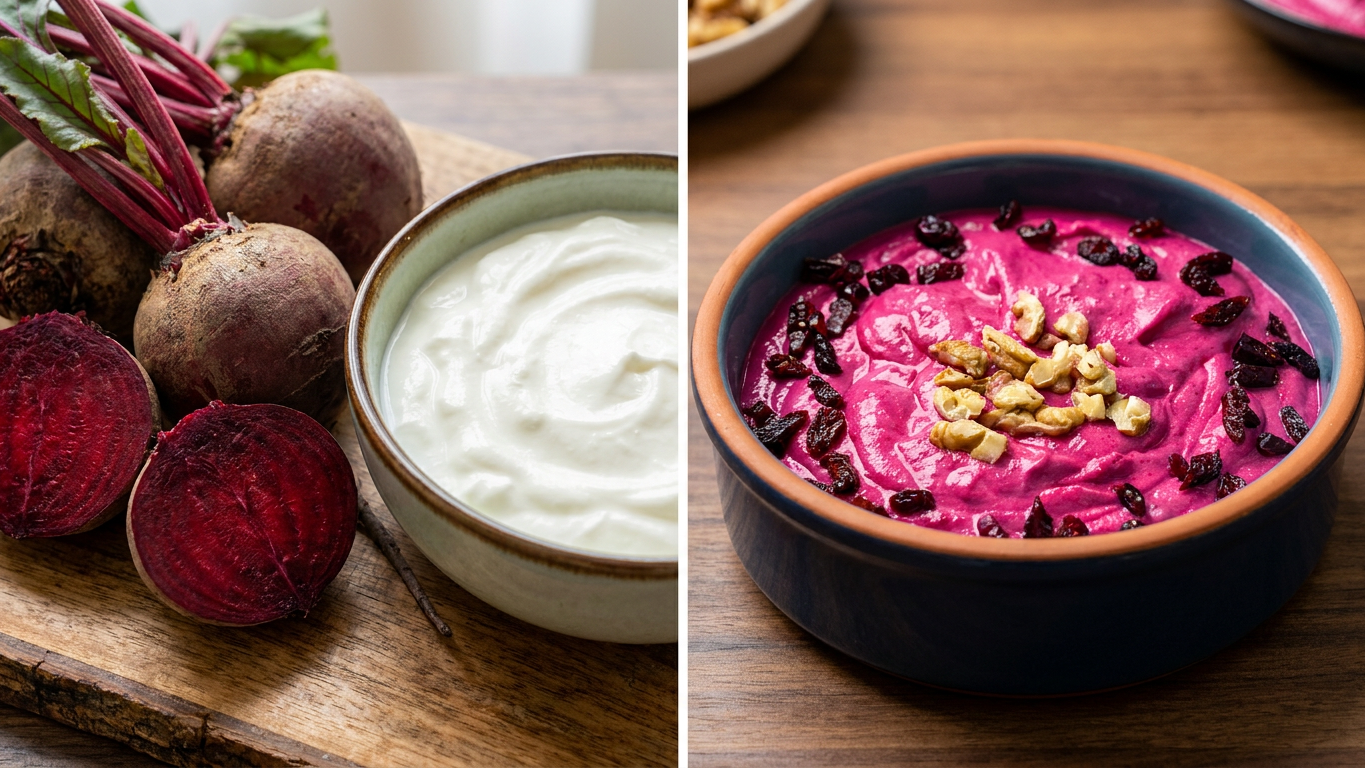
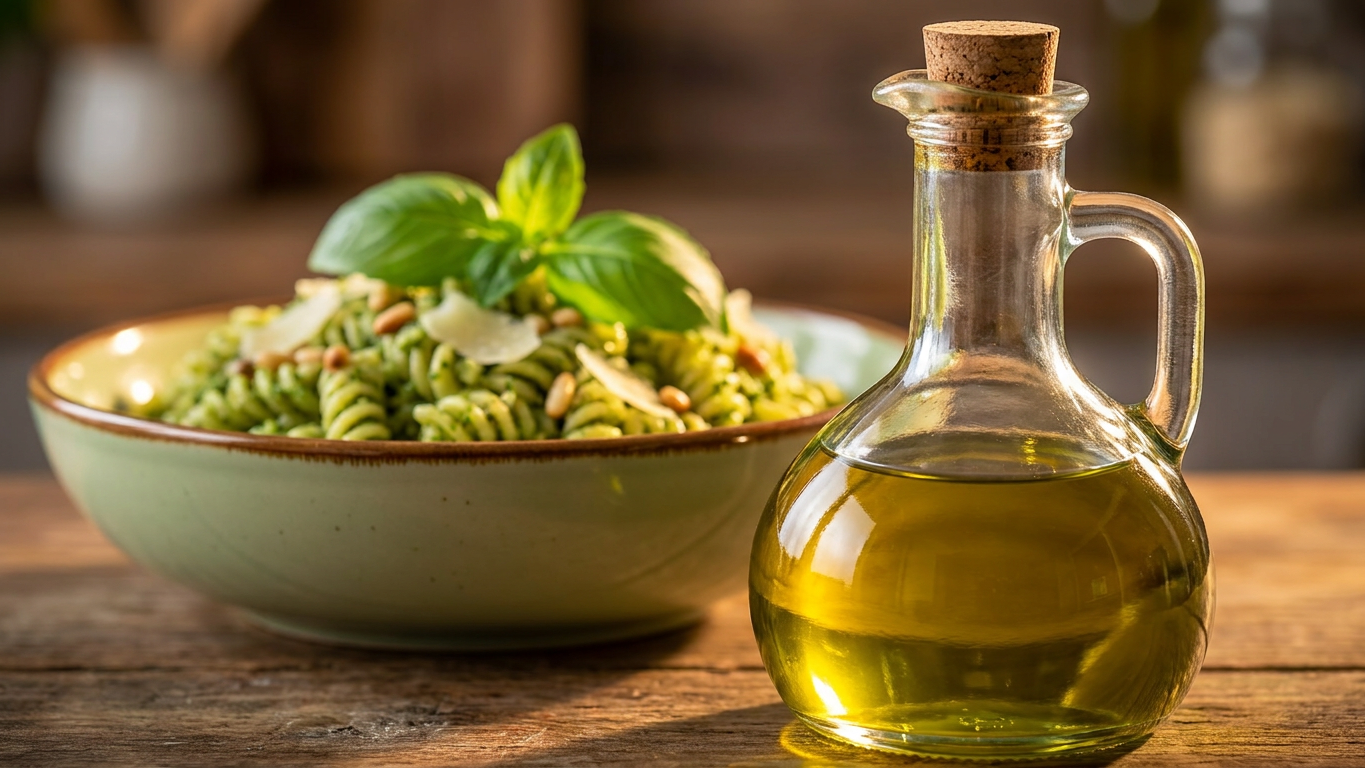
Another important benefit of olive oil is the way it helps carry flavor and improve texture in food. Ingredients such as garlic, basil, herbs, roasted vegetables, spices, and lemon all blend more smoothly and taste fuller when combined with olive oil. This is one reason dishes like pesto pasta, hummus with garlic chili oil, and beetroot yogurt dip develop a richer and more rounded flavor profile.

Healthy fats from olive oil also help meals feel more satisfying and filling. Combining olive oil with vegetables, legumes, grains, nuts, and proteins creates meals that often feel more balanced and sustaining compared to meals built mainly around refined carbohydrates alone.

Olive oil is also commonly appreciated because it helps the body absorb certain fat-soluble vitamins found in vegetables and herbs, particularly vitamins A, D, E, and K. This is one reason olive oil is frequently paired with salads, roasted vegetables, herb sauces, and legume-based dishes.

Beyond nutrition, olive oil remains popular because of its simplicity and adaptability. A small amount can completely change the flavor, texture, and richness of a dish without requiring complicated preparation. Whether drizzled over hummus, blended into basil pesto, stirred into warm pasta, or paired with roasted nuts and vegetables, olive oil continues to remain one of the most practical and valuable ingredients in everyday cooking.

Its long-standing presence across traditional food cultures reflects more than taste alone — it reflects a style of eating built around quality ingredients, balance, and meals that feel both flavorful and naturally satisfying.

Why Hummus Has Remained a Staple Across Middle Eastern Tables

Hummus has remained one of the most recognized and widely appreciated dishes across Middle Eastern cuisine for generations. Made primarily from chickpeas, tahini, olive oil, garlic, and lemon. Hummus reflects a style of cooking centered around simplicity, nourishment, and balance rather than overly complicated ingredients.

One of the reasons hummus continues to remain so popular is its versatility. It can be served as part of mezze platters, paired with bread, vegetables, grilled meats, rice dishes, and salads, or enjoyed simply as a nourishing snack. Its smooth texture and rich savory flavor allow it to fit naturally into both everyday meals and larger shared gatherings.

Chickpeas and tahini also contribute protein, fiber, and healthy fats, which is one reason hummus is often appreciated as a satisfying and balanced food. Olive oil, garlic, and lemon further add richness, freshness, and depth while still keeping the dish relatively simple and wholesome.

Across many Middle Eastern kitchens, hummus is valued not only for flavor but also for the communal style of eating it encourages. Mezze-style meals built around dips, breads, salads, and shared plates continue to remain closely connected with hospitality, comfort, and gathering around food together.

Recipes such as creamy hummus with garlic chili oil continue to show how traditional dishes can remain timeless while still allowing room for modern flavors and presentation. Even simple additions such as warm garlic oil, chili flakes, herbs, or roasted vegetables can create new layers of flavor while preserving the comforting essence of classic hummus.

Today, hummus continues to remain popular around the world because it represents the beauty of simple ingredients prepared thoughtfully. Its balance of flavor, nourishment, versatility, and tradition continues to make it one of the most loved dishes across both traditional and modern kitchens.

Protein, Carbohydrates, and the Balance of Satisfying Meals

Balanced meals have remained an important part of traditional cooking across many cultures for generations. Rather than focusing only on a single ingredient or nutrient, many traditional dishes naturally combine protein, carbohydrates, healthy fats, vegetables, herbs, and spices to create meals that feel both nourishing and deeply satisfying.

Carbohydrates such as rice, barley, pasta, bread, oats, and grains are often appreciated because they provide energy and comfort, while protein-rich foods such as meat, eggs, yogurt, cheese, lentils, nuts, and legumes help meals feel more sustaining and satisfying. Together, this balance helps create meals that feel hearty without relying only on heaviness or excess richness.

Protein is widely discussed for its role in supporting muscle maintenance, strength, and overall body function. At the same time, carbohydrate-rich foods continue to remain an important source of energy in many traditional cuisines. Combining both thoughtfully often creates meals that feel more balanced, comforting, and suitable for everyday eating.

Across many kitchens, dishes naturally built around this balance continue to remain timeless favorites. Meals such as vegetable pulao served with protein-rich dishes, talbina made with nourishing barley and dates, spicy pepper beef enjoyed with naan or rice, stuffed beef rolls paired with comforting sides, and high protein egg cups all reflect different ways traditional and modern cooking combine nourishment with satisfaction.

Ingredients such as whole grains, rice, barley, eggs, meat, cheese, nuts, herbs, and vegetables also contribute texture, richness, and variety, helping meals feel more complete and enjoyable. Traditional home-style cooking often focused not only on flavor but also on balance, moderation, and creating meals that could comfortably sustain everyday life.

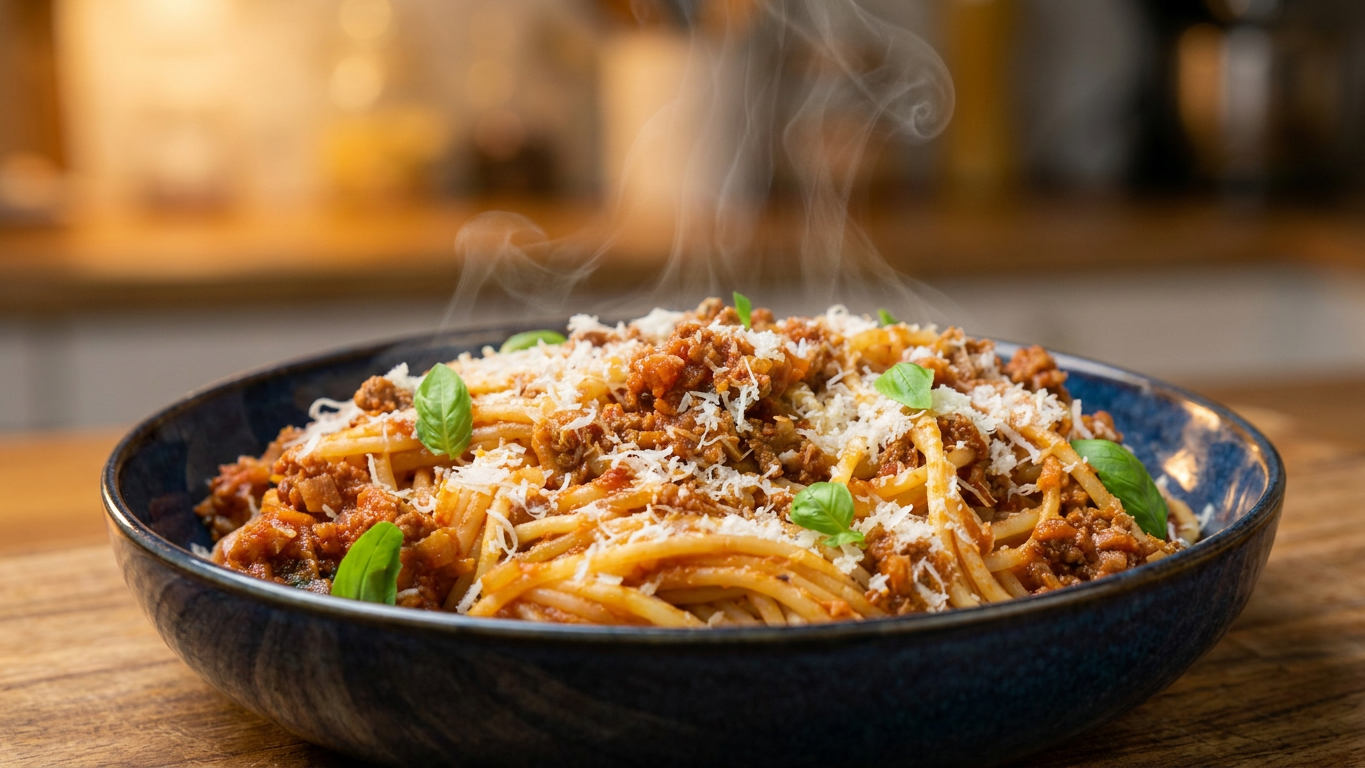
Today, balanced meals centered around protein and carbohydrates continue to remain popular because they combine practicality, nourishment, comfort, and flavor in a natural way. Whether prepared as rice dishes, soups, baked meals, pasta, or traditional comfort foods, these combinations continue to connect mindful eating with satisfying home-style cooking.

Bone Broth, Collagen, and the Comfort of Traditional Yakhni

Bone broth has been appreciated across many cultures for generations because of the way bones, aromatics, and spices transform into deeply flavorful and comforting broths. Whether prepared traditionally through slow simmering or using modern pressure cooking methods, broths such as yakhni continue to remain closely connected with nourishing home-style cooking.

One of the reasons Bone broth remains widely valued is because cooking bones and connective tissues releases gelatin and collagen-related compounds into the broth. This contributes to the rich texture and satisfying mouthfeel often associated with homemade Yakhni and traditional stock preparations.

Collagen itself is a naturally occurring protein found in connective tissues, joints, skin, and bones. Foods prepared from bone-based broths are commonly appreciated because they contain gelatin and nutrients that contribute to the comforting and rich quality of the broth.

Pressure cooking also allows bones, marrow, and aromatics to release flavor efficiently while significantly reducing cooking time compared to traditional simmering methods. This makes nourishing homemade broths more practical for modern kitchens while still preserving warmth and depth associated with traditional recipes.

Aromatic ingredients such as ginger, garlic, black pepper, cinnamon, cloves, and whole spices are also commonly added to yakhni-style broths, creating layers of warmth and complexity without overpowering the natural richness of the stock itself.

Across many traditional kitchens, broths like yakhni have long been appreciated as comforting meals, especially during colder seasons or whenever lighter and soothing foods are preferred. Their warmth, simplicity, and deep savory flavor continue to make them feel both nourishing and satisfying.

Today, bone broth continues to remain popular among people who appreciate wholesome homemade food, pressure cooking convenience, and deeply flavorful traditional recipes. Whether enjoyed on its own or used as a base for soups, rice dishes, or stews, yakhni continues to beautifully connect traditional nourishment with modern everyday cooking.

Eggs: Nutrition, Protein, and Why They Remain a Daily Staple Around the World

Few foods are used as widely and as frequently as eggs. They appear in breakfasts, baked dishes, sauces, desserts, breads, rice dishes, sandwiches, and quick home-cooked meals because they are affordable, fast to prepare, and naturally rich in nutrients.

One large egg contains high-quality protein along with nutrients such as vitamin B12, vitamin D, selenium, choline, and healthy fats. Eggs are especially valued because they contain all essential amino acids, which is why they are commonly described as a complete protein source.

Protein-rich foods like eggs are often included in meals because they help support muscle maintenance and may help people feel fuller for longer compared to meals built mainly around refined carbohydrates. This is one reason egg-based breakfasts are frequently discussed as a practical option for sustaining energy throughout the morning.

Eggs are also highly versatile in cooking. They can be boiled, fried, poached, baked, scrambled, steamed, or folded into both savory and sweet dishes. Their ability to absorb herbs, spices, vegetables, cheese, and sauces makes them easy to adapt across different cuisines and flavor profiles.

In South Asian cooking, dishes such as Khageena – Spiced Desi Masala Scrambled Eggs transform simple scrambled eggs into something much richer through onions, chilies, coriander, and spices cooked directly into the eggs. In other styles of cooking, eggs may be baked into High Protein Egg Cups, added to fried rice, layered into sandwiches, or paired with vegetables and breads for quick balanced meals.

Eggs are also essential in many desserts because of the structure and richness they provide. Custard-based desserts such as Saffron Crème Brûlée rely on eggs to create their smooth, silky texture while balancing cream, sugar, and delicate flavors into a dessert that feels both light and luxurious.

Another reason eggs continue to remain important in everyday cooking is convenience. Within minutes, they can become a complete meal, snack, or side dish using ingredients already available in most kitchens. This practicality is one reason eggs continue to stay relevant in both traditional home kitchens and modern busy lifestyles.

Their natural balance of protein, fats, flavor, and versatility allows eggs to work equally well in hearty savory meals and refined desserts. Whether prepared as spicy khageena, baked egg cups, omelets, or silky custards, eggs continue to prove why they remain one of the most dependable ingredients in kitchens around the world.

Privacy Overview

This website uses cookies to provide you with the best possible user experience. Cookie information is stored by your browser and performs functions such as recognizing you when you return to our website, as well as helping our team understand which parts of the website are most interesting and useful to you.