
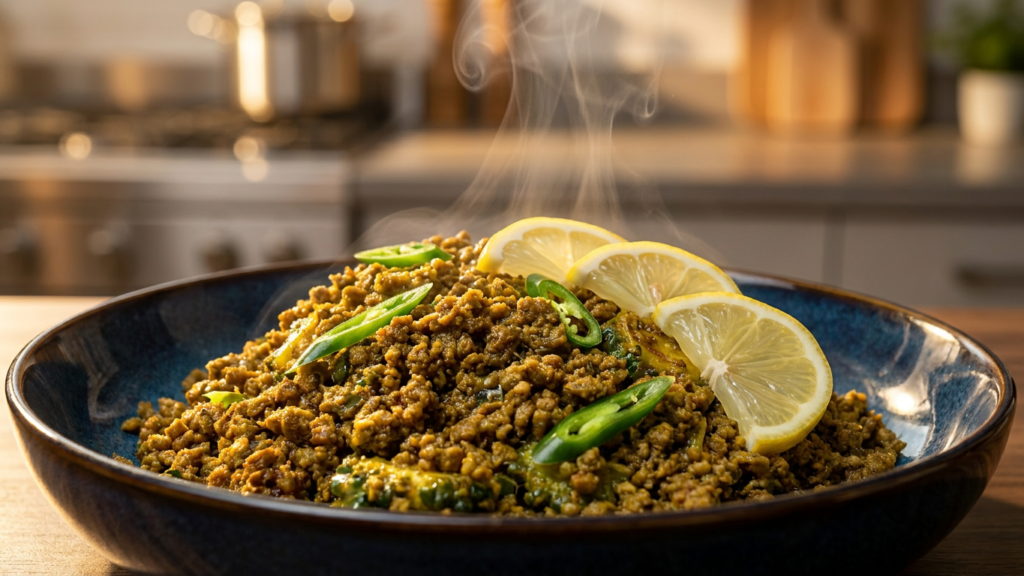
Karela, also known as bitter melon or bitter gourd, is a distinctive vegetable in South Asian and Asian cuisines. Its natural bitterness may seem unusual at first. However, generations of cooks have valued karela for its bold flavor and place in wholesome meals.
Why Karela Is Valued in Traditional Cooking
Many traditional cuisines include bitter foods as part of a varied diet. They balance rich, sweet, and savory flavors with more complex tastes.
Karela brings a bold contrast to everyday dishes. Its refreshing bitterness can make meals feel lighter and more varied.
Karela also contains fiber, vitamins, and plant compounds while remaining naturally low in calories. Many people include it in meals as part of a balanced approach to everyday eating.
Nutritional Qualities of Karela
Karela provides several nutrients that support a wholesome diet. Its fiber content can complement meals that include vegetables, whole grains, legumes, and other nutritious foods.
People also discuss karela in connection with mindful blood sugar management. However, it should remain part of an overall balanced eating pattern rather than serve as a replacement for medical treatment.
How to Balance Karela’s Bitterness
Karela works well with many savory ingredients. It pairs especially well with onions, tomatoes, minced meat, lentils, and tangy flavors such as lemon juice or tamarind.
These ingredients can soften its bitterness and create a more rounded flavor. Spices also add warmth and depth without overpowering the vegetable.
Traditional Ways to Prepare Karela
Traditional cooks have developed several techniques to make karela more approachable. Lightly salting sliced karela can help reduce some of its bitterness before cooking.
Slow cooking with onions and spices creates a softer texture and deeper flavor. Combining karela with rich savory ingredients can also create a more balanced dish.
Karela in Traditional Food Culture
Karela represents more than a distinctive vegetable. It reflects a cooking style built around patience, simplicity, and balance.
Many families continue to prepare karela as part of comforting everyday meals. These recipes connect traditional cooking practices with ingredients that generations have enjoyed.
Karela in Modern Everyday Cooking
Karela still holds an important place in many kitchens today. Its bold flavor and nutritional qualities make it a unique addition to a varied diet.
You can prepare it in several ways. Enjoy Keema Karela with minced meat, or cook karela with spices, onions, and tomatoes.
Stuffed, lightly fried, or slowly simmered karela can each offer a different texture and flavor. These methods help preserve its distinctive character while making it easier to enjoy.