
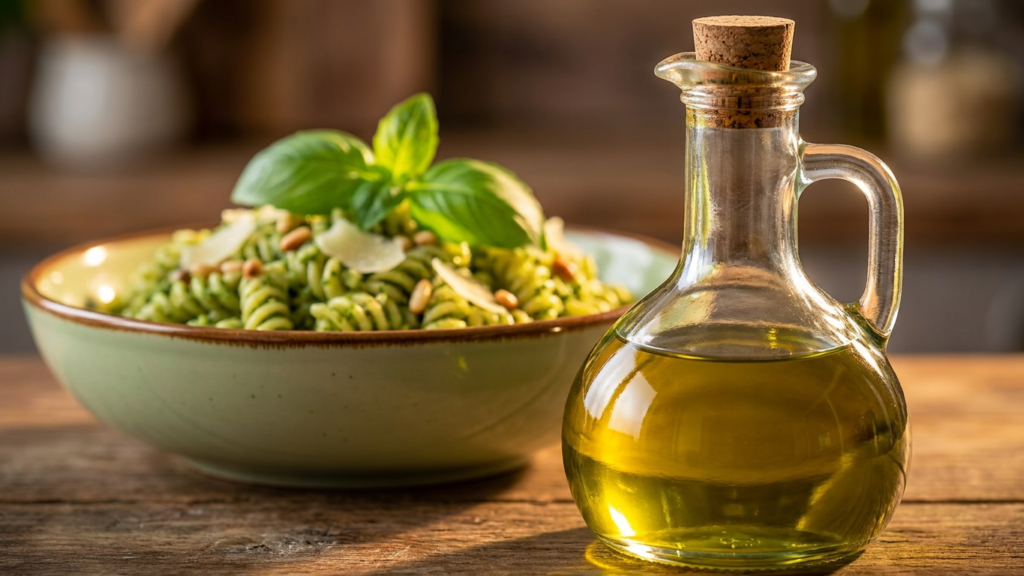
Olive oil has remained one of the most respected cooking ingredients across Mediterranean and Middle Eastern cuisines for centuries because it combines flavor, versatility, and nutritional value in a naturally balanced way. Used in everything from dips and salads to pasta sauces, marinades, roasted vegetables, and grilled dishes, olive oil continues to play an important role in both traditional and modern cooking.
One of the main reasons olive oil is widely appreciated is its healthy fat content. Extra virgin olive oil contains mostly monounsaturated fats, which are commonly associated with balanced eating patterns and heart-conscious diets. Unlike heavily processed fats, olive oil is often valued because it adds richness and satisfaction to meals without making them feel excessively heavy.
Olive oil also naturally contains antioxidants and plant compounds known as polyphenols, especially in less processed extra virgin varieties. These compounds are one reason olive oil continues to be closely associated with Mediterranean-style eating habits, which are frequently discussed in relation to balanced and long-term wellness-focused diets.
Another important benefit of olive oil is the way it helps carry flavor and improve texture in food. Ingredients such as garlic, basil, herbs, roasted vegetables, spices, and lemon all blend more smoothly and taste fuller when combined with olive oil. This is one reason dishes like pesto pasta, hummus with garlic chili oil, and beetroot yogurt dip develop a richer and more rounded flavor profile.
Healthy fats from olive oil also help meals feel more satisfying and filling. Combining olive oil with vegetables, legumes, grains, nuts, and proteins creates meals that often feel more balanced and sustaining compared to meals built mainly around refined carbohydrates alone.
Olive oil is also commonly appreciated because it helps the body absorb certain fat-soluble vitamins found in vegetables and herbs, particularly vitamins A, D, E, and K. This is one reason olive oil is frequently paired with salads, roasted vegetables, herb sauces, and legume-based dishes.
Beyond nutrition, olive oil remains popular because of its simplicity and adaptability. A small amount can completely change the flavor, texture, and richness of a dish without requiring complicated preparation. Whether drizzled over hummus, blended into basil pesto, stirred into warm pasta, or paired with roasted nuts and vegetables, olive oil continues to remain one of the most practical and valuable ingredients in everyday cooking.
Its long-standing presence across traditional food cultures reflects more than taste alone — it reflects a style of eating built around quality ingredients, balance, and meals that feel both flavorful and naturally satisfying.