
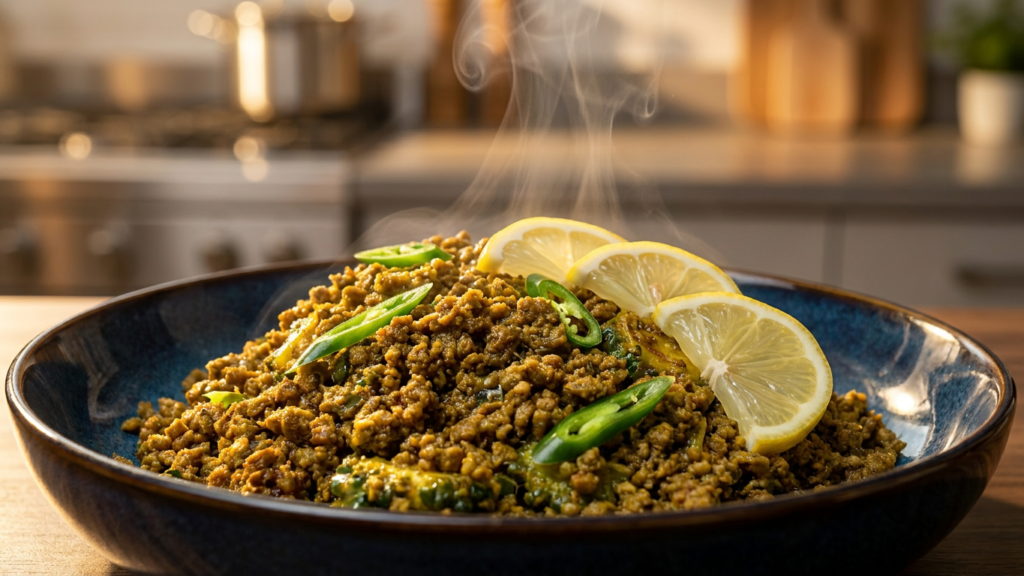
Karela, also known as bitter melon or bitter gourd, is one of the most distinctive vegetables used across South Asian, Middle Eastern, and many Asian cuisines. While its natural bitterness may seem unusual at first, karela has remained an important part of traditional cooking for generations because of both its unique flavor and its association with balanced, wholesome meals.
In many traditional kitchens, bitter foods have long been appreciated as part of balanced eating habits. Rather than focusing only on rich, sweet, or heavily savory flavors, traditional cuisines often included a wider range of tastes to create meals that felt more complete and nourishing. Karela became especially valued because it brings a bold and refreshing contrast to everyday cooking.
Karela is also naturally low in calories while containing fiber, vitamins, and plant compounds that contribute to its reputation as a wholesome vegetable. In many traditional food cultures, karela is also commonly discussed for its association with balanced eating habits and mindful approaches to blood sugar management.
Another reason karela continues to remain popular is its versatility. It absorbs spices and savory ingredients beautifully, allowing it to pair well with onions, tomatoes, minced meat, lentils, and tangy flavors such as lemon juice or tamarind. These ingredients help soften and balance the bitterness while still preserving the character that makes karela distinctive.
Traditional cooking methods also developed ways to make karela more approachable. Lightly salting sliced karela before cooking, slow cooking it with onions and spices, or combining it with rich savory ingredients are all techniques that help create a more rounded and comforting flavor.
Beyond its nutritional qualities, karela also represents an important part of traditional food culture. Many people continue to value it because it reflects a style of cooking based on patience, simplicity, and thoughtful balance rather than excess. Recipes made with karela often feel deeply rooted in comforting everyday meals that have been passed through generations.
Today, karela continues to hold a meaningful place in many kitchens because it combines nourishment, bold flavor, and tradition in a uniquely satisfying way. Whether prepared as Keema Karela, or stuffed with spices, lightly fried, or simmered with onions and tomatoes, karela remains one of those timeless ingredients that continues to connect traditional wisdom with mindful and flavorful cooking.