The Importance of Protein in Balanced and Nourishing Meals

Protein plays an important role in balanced eating and continues to remain one of the most valued nutrients across many traditional and modern diets. Foods naturally rich in protein are often appreciated because they help meals feel more satisfying, nourishing, and sustaining throughout the day.

In many traditional cuisines, protein-rich foods such as meat, eggs, yogurt, cheese, lentils, nuts, and legumes were commonly paired with grains, vegetables, and spices to create balanced meals that provided both nourishment and variety. Dishes centered around quality protein sources often became staples because they combined comfort, flavor, and long-lasting satisfaction.

Protein is widely discussed for its role in supporting muscle maintenance, strength, and overall body function. It is also often appreciated because protein-rich meals may help people feel fuller for longer compared to meals made mostly from refined carbohydrates alone. For this reason, many people prefer including moderate amounts of protein as part of balanced and mindful eating habits.

Foods such as beef, eggs, cheese, yogurt, nuts, seeds, and legumes are naturally rich in protein while also contributing important nutrients including iron, calcium, healthy fats, vitamins, and minerals. Combining different protein sources in meals can also help create better texture, flavor, and nutritional variety.

At the same time, balance remains important. Traditional home-style cooking often focused not only on protein itself but also on pairing it thoughtfully with vegetables, grains, herbs, and spices. This combination helped create meals that felt hearty, comforting, and nourishing without becoming overly heavy.

Today, high-protein meals continue to remain popular among people looking for satisfying and wholesome food choices. Whether prepared as slow cooked dishes, soups, curries, grilled meals, or protein-rich snacks, these foods continue to play an important role in balanced and flavorful everyday cooking.

Why Karela Continues to Be Valued in Traditional Cooking

Karela, also known as bitter melon or bitter gourd, is one of the most distinctive vegetables used across South Asian, Middle Eastern, and many Asian cuisines. While its natural bitterness may seem unusual at first, karela has remained an important part of traditional cooking for generations because of both its unique flavor and its association with balanced, wholesome meals.

In many traditional kitchens, bitter foods have long been appreciated as part of balanced eating habits. Rather than focusing only on rich, sweet, or heavily savory flavors, traditional cuisines often included a wider range of tastes to create meals that felt more complete and nourishing. Karela became especially valued because it brings a bold and refreshing contrast to everyday cooking.

Karela is also naturally low in calories while containing fiber, vitamins, and plant compounds that contribute to its reputation as a wholesome vegetable. In many traditional food cultures, karela is also commonly discussed for its association with balanced eating habits and mindful approaches to blood sugar management.

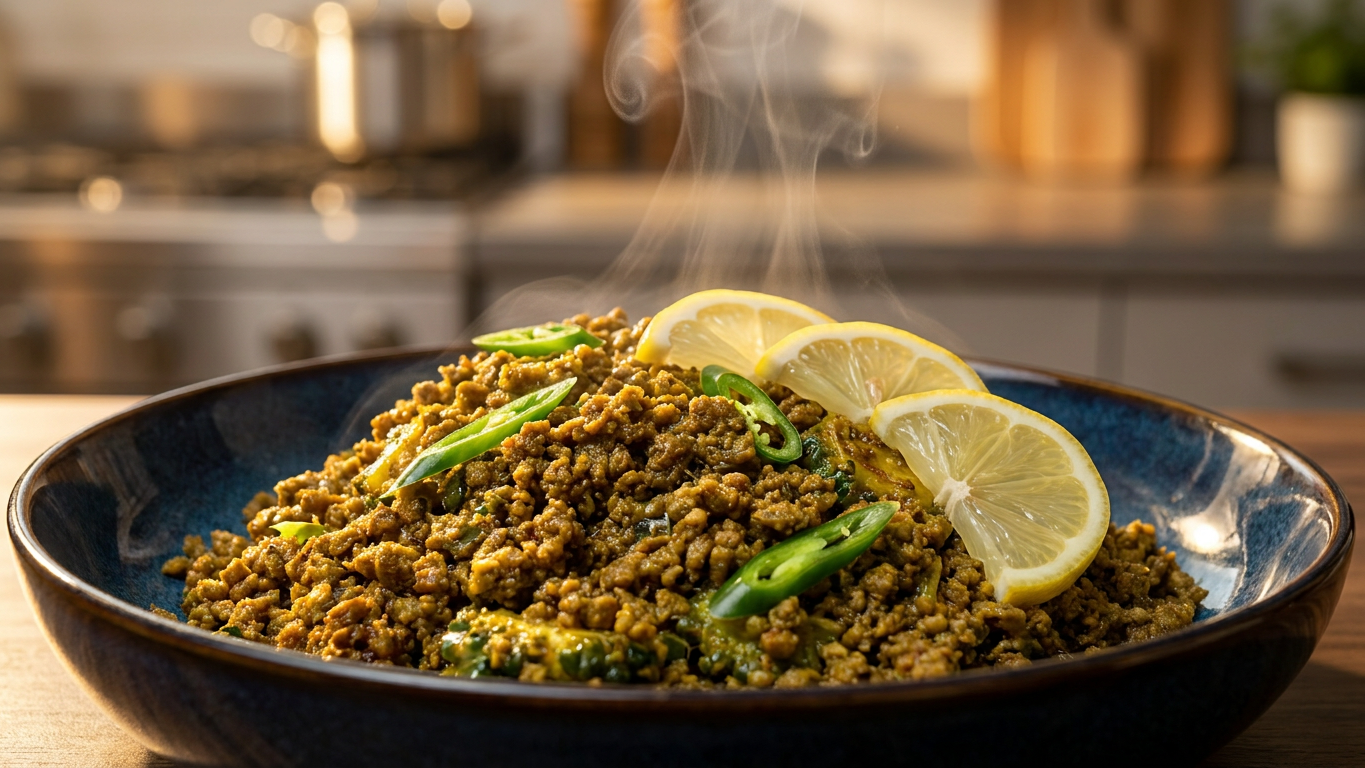
Another reason karela continues to remain popular is its versatility. It absorbs spices and savory ingredients beautifully, allowing it to pair well with onions, tomatoes, minced meat, lentils, and tangy flavors such as lemon juice or tamarind. These ingredients help soften and balance the bitterness while still preserving the character that makes karela distinctive.

Traditional cooking methods also developed ways to make karela more approachable. Lightly salting sliced karela before cooking, slow cooking it with onions and spices, or combining it with rich savory ingredients are all techniques that help create a more rounded and comforting flavor.

Beyond its nutritional qualities, karela also represents an important part of traditional food culture. Many people continue to value it because it reflects a style of cooking based on patience, simplicity, and thoughtful balance rather than excess. Recipes made with karela often feel deeply rooted in comforting everyday meals that have been passed through generations.

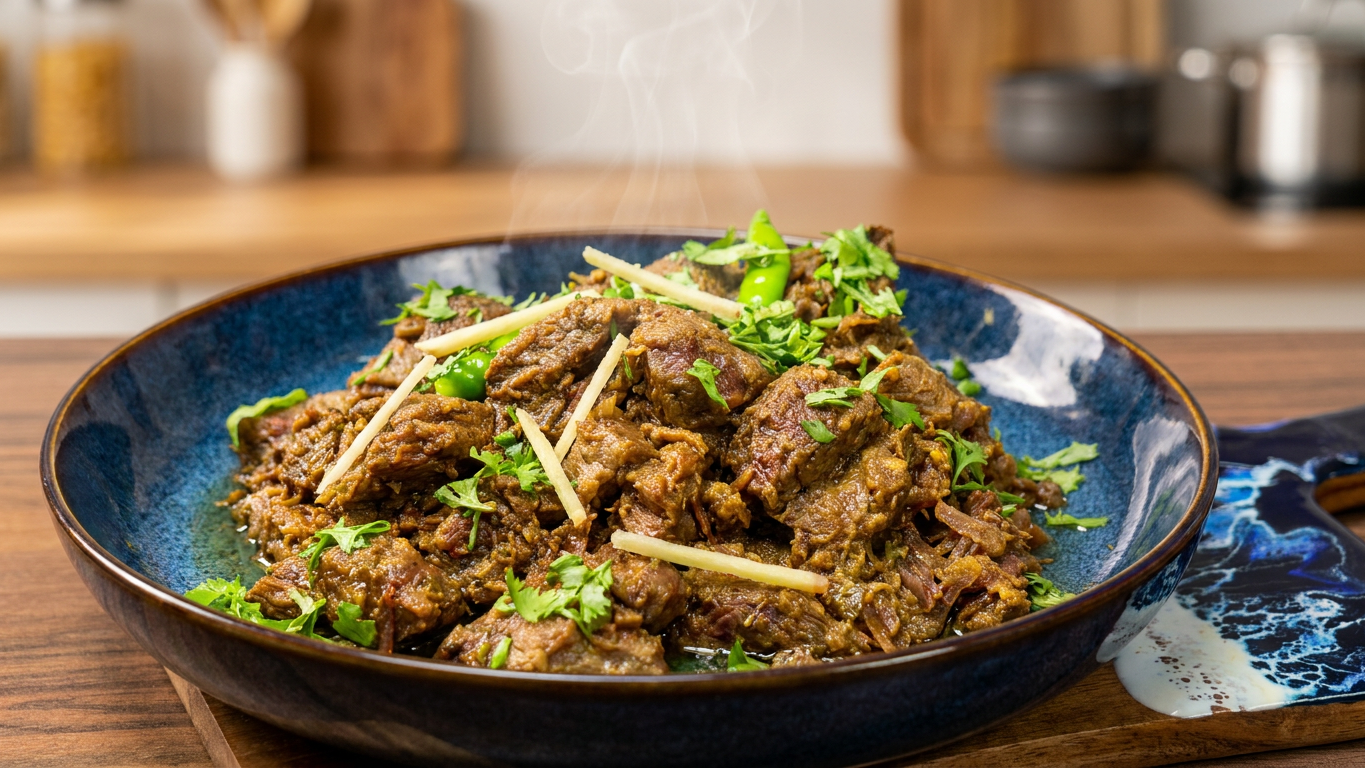
Today, karela continues to hold a meaningful place in many kitchens because it combines nourishment, bold flavor, and tradition in a uniquely satisfying way. Whether prepared as Keema Karela, or stuffed with spices, lightly fried, or simmered with onions and tomatoes, karela remains one of those timeless ingredients that continues to connect traditional wisdom with mindful and flavorful cooking.

The History, Tradition, and Cultural Significance of Talbina

Talbina is a traditional barley-based dish that has been appreciated for generations across many Muslim and Middle Eastern communities. Its name comes from the Arabic word “laban,” referring to milk, because of its soft pale appearance and smooth consistency when prepared.

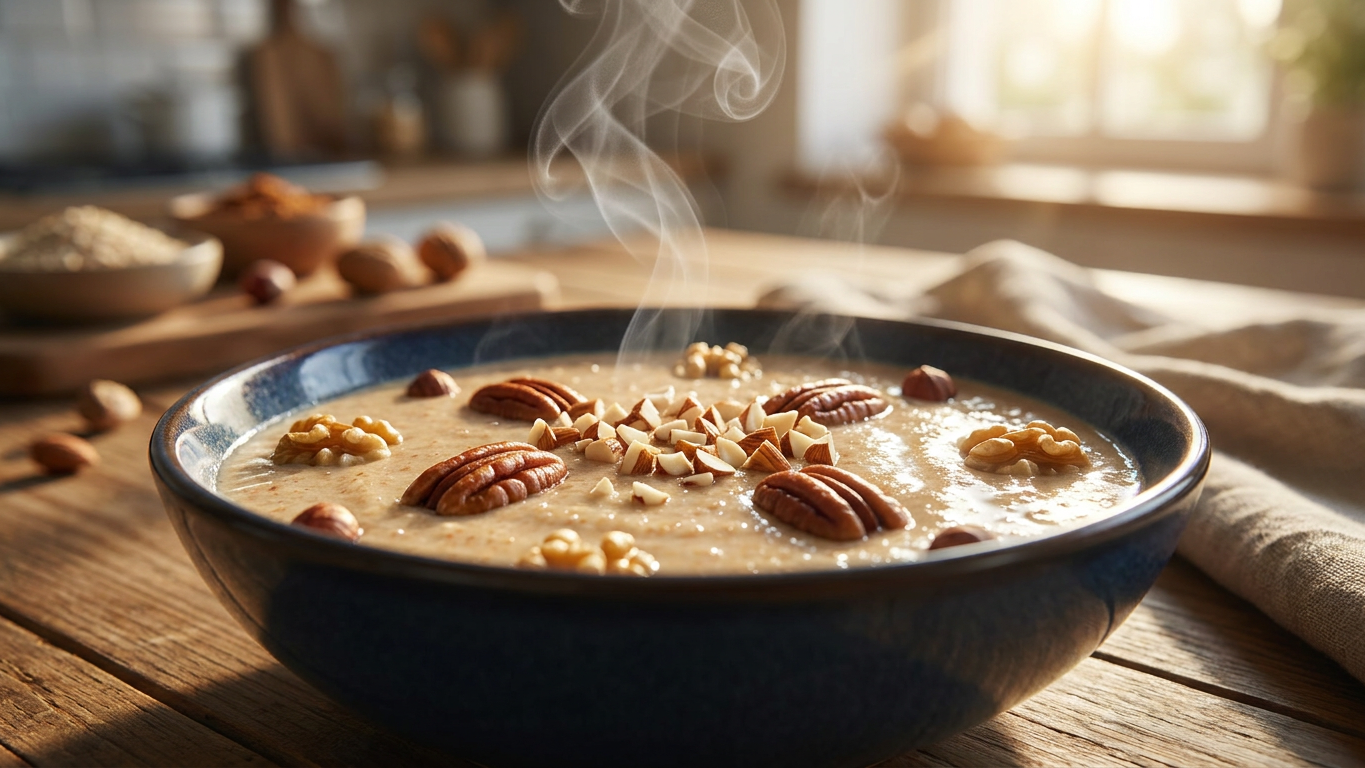
Traditionally made with barley flour or ground barley simmered with milk or water, talbina is known for its gentle texture and comforting nature. Over time, many regions developed their own variations by adding ingredients such as dates, honey, cinnamon, or nuts while still preserving the simplicity that defines the dish.

Talbina is also widely recognized in Prophetic tradition and continues to hold a special place in many Muslim homes. Because of its warm and soothing nature, it has long been associated with comfort, nourishment, and gentle care during times when simple wholesome foods are preferred.

Barley itself has historically been valued across many cultures due to its versatility and nourishing qualities. Recipes based on barley often reflect a slower and more balanced style of eating centered around simplicity, moderation, and nourishment.

Today, talbina continues to resonate with modern kitchens because it naturally aligns with mindful eating habits and comforting homemade food. Its creamy texture, mild flavor, and flexibility make it easy to adapt while still preserving its traditional roots.

Whether served plain, lightly sweetened with dates, or topped with nuts and warming spices, talbina remains one of those timeless dishes that beautifully connects tradition, comfort, and nourishment across generations.

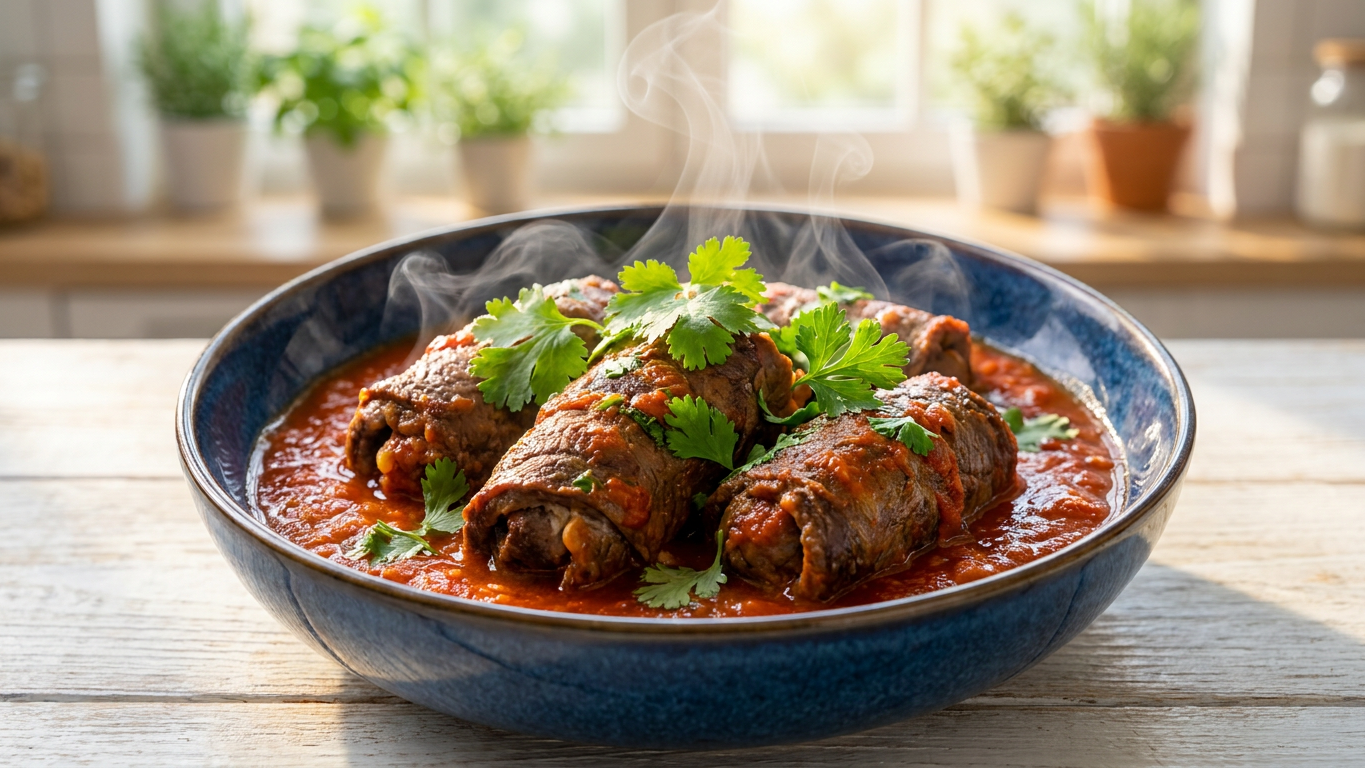
The Tradition and Cultural Influence Behind Stuffed Beef Rolls

Stuffed and rolled meat dishes have appeared across many culinary traditions for generations, each region developing its own variations based on local ingredients, spices, and cooking styles. From Eastern Europe’s roulades to Mediterranean stuffed meats and Middle Eastern filled dishes, the idea of wrapping flavorful fillings inside thin cuts of meat has remained widely loved because of both its practicality and comforting flavor.

In many traditional kitchens, these dishes were often prepared for gatherings, family dinners, or occasions where meals were meant to feel slightly more special while still using accessible ingredients. Slow cooking the rolls in sauce allowed tougher cuts of meat to become tender while also building rich layers of flavor.

Over time, different cultures adapted stuffed meat rolls to reflect their own culinary identities. Some versions focused on herbs and vegetables, while others incorporated cheese, nuts, dried fruits, or warming spices. The balance between savory richness and gentle sweetness found in many rolled meat dishes continues to make them especially comforting and satisfying.

This version draws inspiration from that broader tradition while bringing together creamy cheese, herbs, nuts, cranberries, and a rich tomato sauce for a more modern fusion-style approach. The combination of textures and flavors creates a dish that feels elegant enough for gatherings while still maintaining the warmth and comfort associated with slow cooked home-style meals.

Today, Stuffed Beef Rolls continue to remain popular because they combine presentation, flavor, and comfort in a way that feels timeless across many cuisines. Whether served for a family dinner or a special meal, they represent the kind of cooking that values patience, richness, and shared dining experiences.

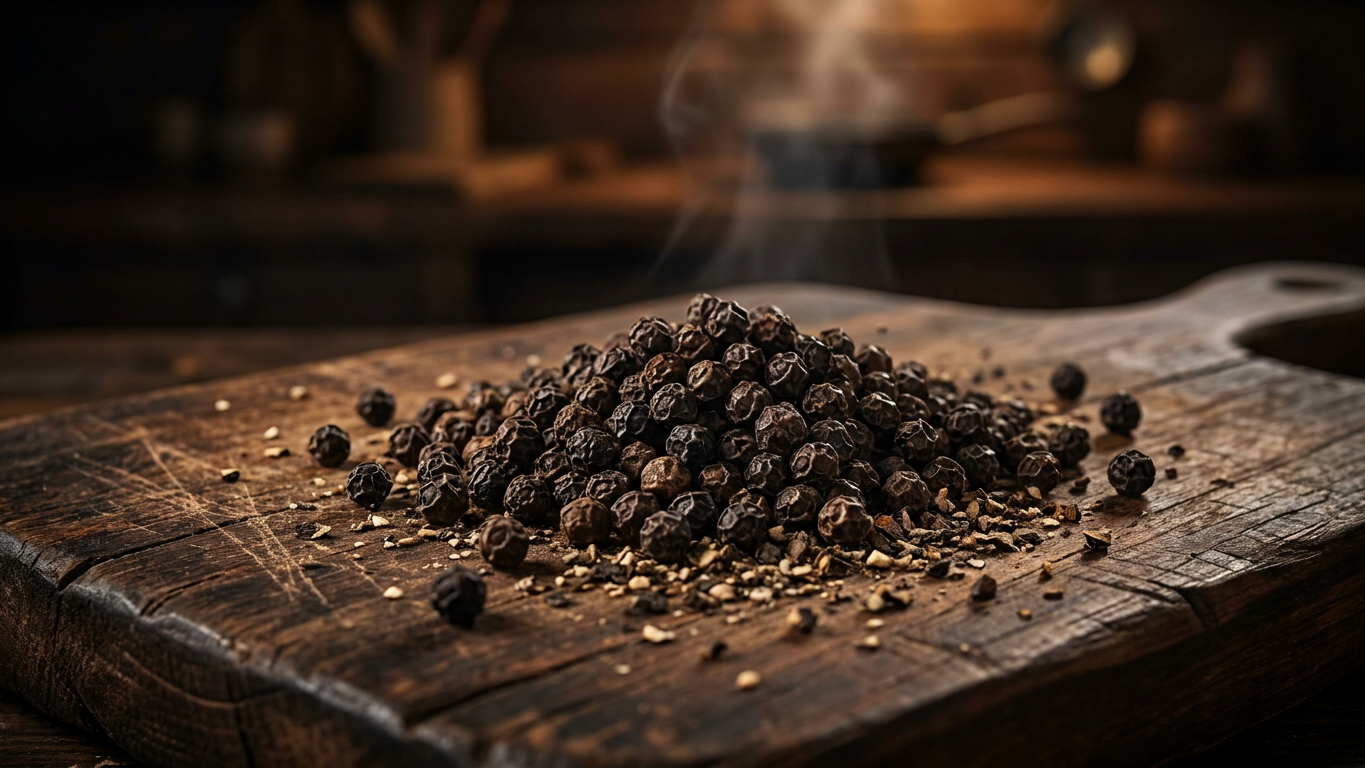
Black Pepper Benefits, Nutrition, and Why It Is Known as the “King of Spices”

Black pepper is one of the most widely used spices in the world, yet it is often underestimated because of how commonly it appears in everyday cooking. Made from dried peppercorns, black pepper has been valued for centuries not only for its sharp heat and aroma but also for the many properties traditionally associated with it in both culinary and wellness-focused food cultures.

One of the most important compounds found in black pepper is piperine, which is responsible for its distinctive pungent flavor. Piperine is widely discussed because it may help improve the absorption and bioavailability of certain nutrients and plant compounds. This is one reason black pepper is frequently paired with ingredients such as turmeric, ginger, and herbal preparations in many traditional food practices.

Black pepper is also naturally rich in antioxidants and plant compounds that continue to make it a popular ingredient in balanced diets and wellness-focused cooking. Because of its strong aroma and concentrated flavor, even small amounts can significantly change the depth and character of a dish.

Another reason black pepper remains important in cooking is its versatility. It can add gentle warmth to soups, broths, eggs, vegetables, meats, sauces, marinades, salads, pasta dishes, and rice dishes without overpowering other ingredients. Freshly cracked black pepper especially brings a stronger aroma and more layered flavor compared to pre-ground pepper.

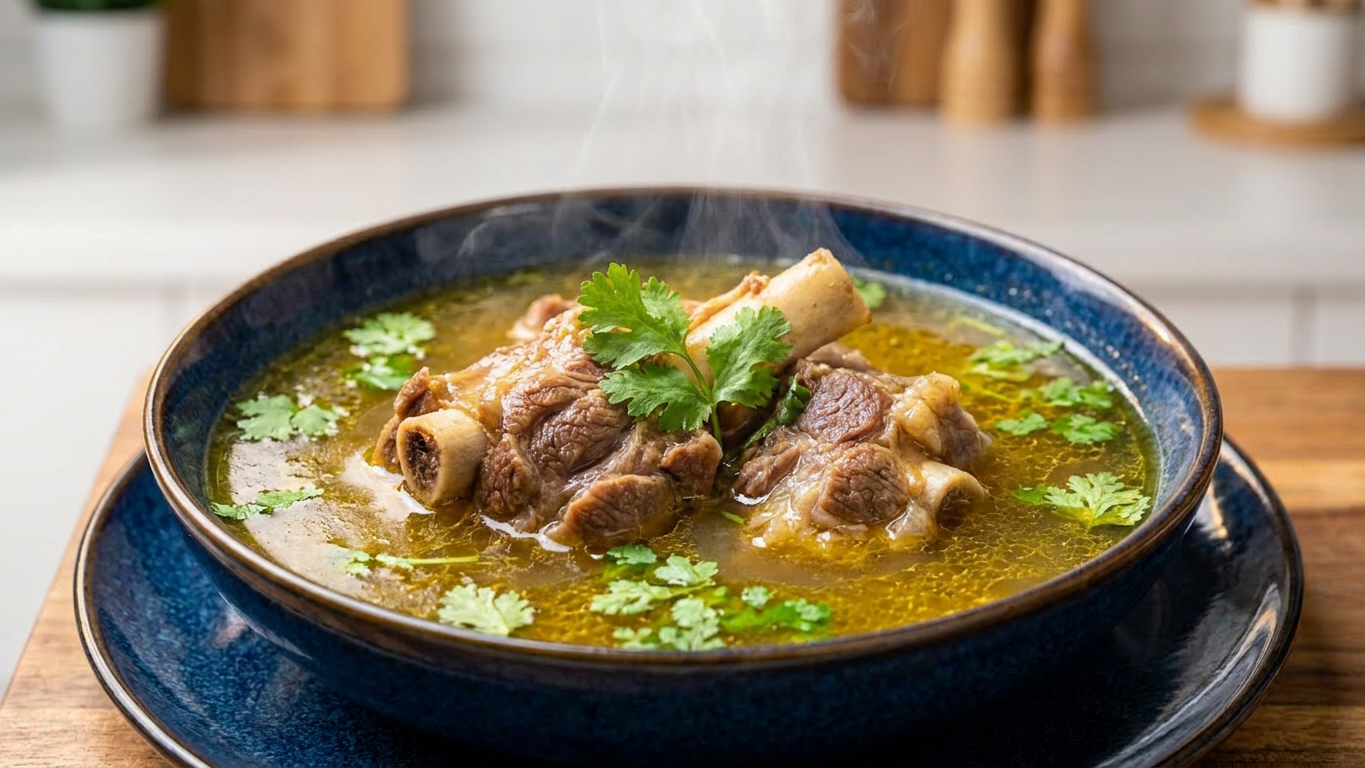
In savory cooking, black pepper is often used to balance richness and add depth to creamy or fatty foods. Dishes such as spicy pepper beef karahi, creamy beef and mushroom pasta, mutton yakhni, and masala egg dishes all rely on black pepper to create warmth, aroma, and complexity throughout the dish.

Black pepper is also frequently discussed in relation to digestion and appetite. In many traditional food cultures, warming spices such as black pepper and ginger have long been included in meals and drinks because they are associated with warmth, circulation, and digestive comfort.

Beyond flavor, black pepper has historically been one of the most valuable spices in global trade. It was once referred to as the “King of Spices” because of its importance in cooking, preservation, and commerce across Asia, the Middle East, and Europe. Its popularity continues today because it remains one of the easiest ways to add depth and aroma to everyday meals.

– [ ] Whether sprinkled over eggs, blended into spice rubs, stirred into soups, cracked over pasta, or added to rich meat dishes, black pepper continues to hold an essential place in kitchens around the world because it combines flavor, versatility, aroma, and widely appreciated wellness-supporting properties in one remarkably simple spice.

Raw Honey: Traditional Uses, Nourishing Qualities, and Everyday Benefits

Raw honey has been appreciated for generations across many cultures for its natural sweetness, rich flavor, and comforting qualities. Unlike heavily processed sweeteners, raw honey continues to remain valued in many traditional kitchens because of its simplicity and its close connection to natural food traditions.

Whether stirred into warm drinks, drizzled over nourishing meals, or enjoyed by the spoonful, raw honey brings both flavor and warmth to everyday routines. Its smooth texture and deep floral sweetness make it one of the most timeless ingredients used across both traditional and modern kitchens.

In many Eastern and Middle Eastern traditions, honey is also associated with nourishment, balance, and mindful eating. Its versatility and naturally rich taste continue to make it a staple ingredient appreciated across generations.

Raw Honey: Traditional Uses, Nourishing Qualities, and Everyday Benefits

Privacy Overview

This website uses cookies to provide you with the best possible user experience. Cookie information is stored by your browser and performs functions such as recognizing you when you return to our website, as well as helping our team understand which parts of the website are most interesting and useful to you.