
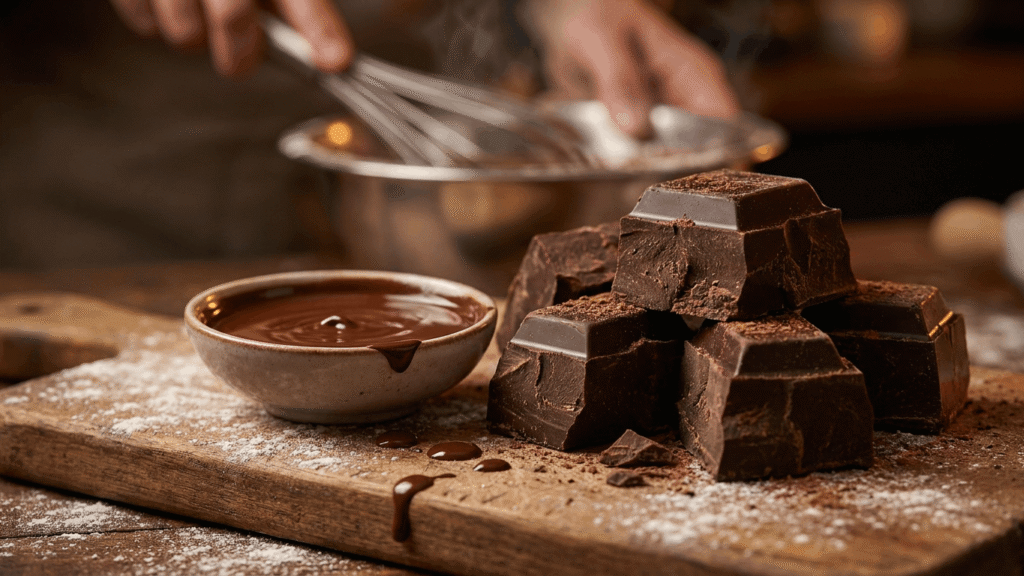
Dark chocolate is more than just a delicious treat. When made with a high percentage of cocoa and enjoyed in moderation, it can be part of a balanced diet. Unlike milk chocolate, dark chocolate contains more cocoa solids, which provide beneficial plant compounds known as flavanols. These naturally occurring compounds have been widely studied for their potential role in supporting heart health and overall well-being.
However, not all dark chocolate is equally nutritious. The cocoa percentage, ingredient list, and amount you eat all make a difference. This guide explains the nutrition facts, potential health benefits, and practical tips for choosing the healthiest dark chocolate.
What Is Dark Chocolate?
Dark chocolate is made from cocoa solids, cocoa butter, and a small amount of sugar. Unlike milk chocolate, it usually contains little or no milk, allowing the rich cocoa flavor to stand out.
The percentage shown on the package represents how much of the chocolate comes from cocoa ingredients. For example, a 70% dark chocolate contains more cocoa and generally less sugar than a 50% variety.
According to the Harvard T.H. Chan School of Public Health, cocoa contains naturally occurring flavanols that have been associated with several potential health benefits when consumed as part of a healthy dietary pattern.
Nutrition Facts
Dark chocolate provides several essential nutrients, including:
- Magnesium, which supports normal muscle and nerve function and contributes to hundreds of processes in the body.
- Iron, which helps transport oxygen in the blood.
- Copper
- Manganese
- Potassium
- Small amounts of zinc and phosphorus
- Dietary fiber from cocoa solids.
Dark chocolate also contains healthy fats from cocoa butter and small amounts of naturally occurring caffeine and theobromine, which may contribute to alertness in some people.
Although nutritious, dark chocolate is still relatively high in calories and should be enjoyed in moderate portions.
Potential Health Benefits of Dark Chocolate
May Support Heart Health
One of the most researched benefits of dark chocolate is its potential effect on heart health. Cocoa flavanols may help improve the function of blood vessels by supporting the production of nitric oxide, a compound that helps blood vessels relax and maintain healthy circulation.
The American Heart Association notes that research on cocoa is promising, but dark chocolate should not replace other heart-healthy habits such as eating fruits, vegetables, whole grains, and exercising regularly.
Rich in Antioxidants
Cocoa contains antioxidants called flavanols and polyphenols that help protect cells from oxidative stress. A diet rich in antioxidant-containing foods may contribute to overall health.
Dark chocolate is just one source of these beneficial compounds and works best as part of a varied diet that includes fruits, vegetables, nuts, and legumes.
May Support Brain Function
Some studies suggest that cocoa flavanols may temporarily improve blood flow to the brain, which could support certain aspects of cognitive performance. Researchers continue to study these effects, but more evidence is needed before firm conclusions can be made.
May Improve Mood
Many people enjoy dark chocolate because it can be satisfying and pleasurable to eat. Cocoa contains naturally occurring compounds that may influence brain chemicals involved in mood. However, dark chocolate should not be considered a treatment for anxiety, depression, or other medical conditions.
How to Choose the Healthiest Dark Chocolate
Not all chocolate bars offer the same nutritional value. When shopping, look for these features:
- Choose high-quality dark chocolate with at least 70% cocoa.
- Look for a short ingredient list.
- Cocoa or cocoa mass should appear near the top of the ingredient list.
- Select products with less added sugar whenever possible.
- Avoid bars with unnecessary artificial additives or excessive fillings.
Higher cocoa percentages generally provide more beneficial cocoa compounds while containing less sugar.
How Much Dark Chocolate Should You Eat?
Dark chocolate is best enjoyed as an occasional treat rather than eaten in large quantities. A small serving, such as one or two squares, is often enough to enjoy its rich flavor while keeping added sugar and calories in balance.
If you have certain medical conditions, dietary restrictions, or caffeine sensitivity, consult your healthcare professional for personalized advice.
Enjoy Dark Chocolate in Homemade Desserts
Dark chocolate can be part of homemade desserts where you control the ingredients and portion sizes. If you’re looking for delicious ways to enjoy it, try our Double Chocolate Mug Cake for a quick single-serving treat or bake a batch of our Fudgy Brownies for a rich, chocolatey dessert. Both recipes let you enjoy the deep flavor of dark chocolate while controlling the quality of ingredients and portion sizes.
Final Thoughts
Dark chocolate can be a flavorful addition to a healthy eating pattern when chosen wisely and enjoyed in moderation. Selecting chocolate with a higher cocoa content, less added sugar, and simple ingredients allows you to enjoy both its rich taste and its nutritional advantages.
As with any food, balance is key. Pair dark chocolate with an overall diet rich in fruits, vegetables, whole grains, legumes, nuts, and lean protein to support long-term health.