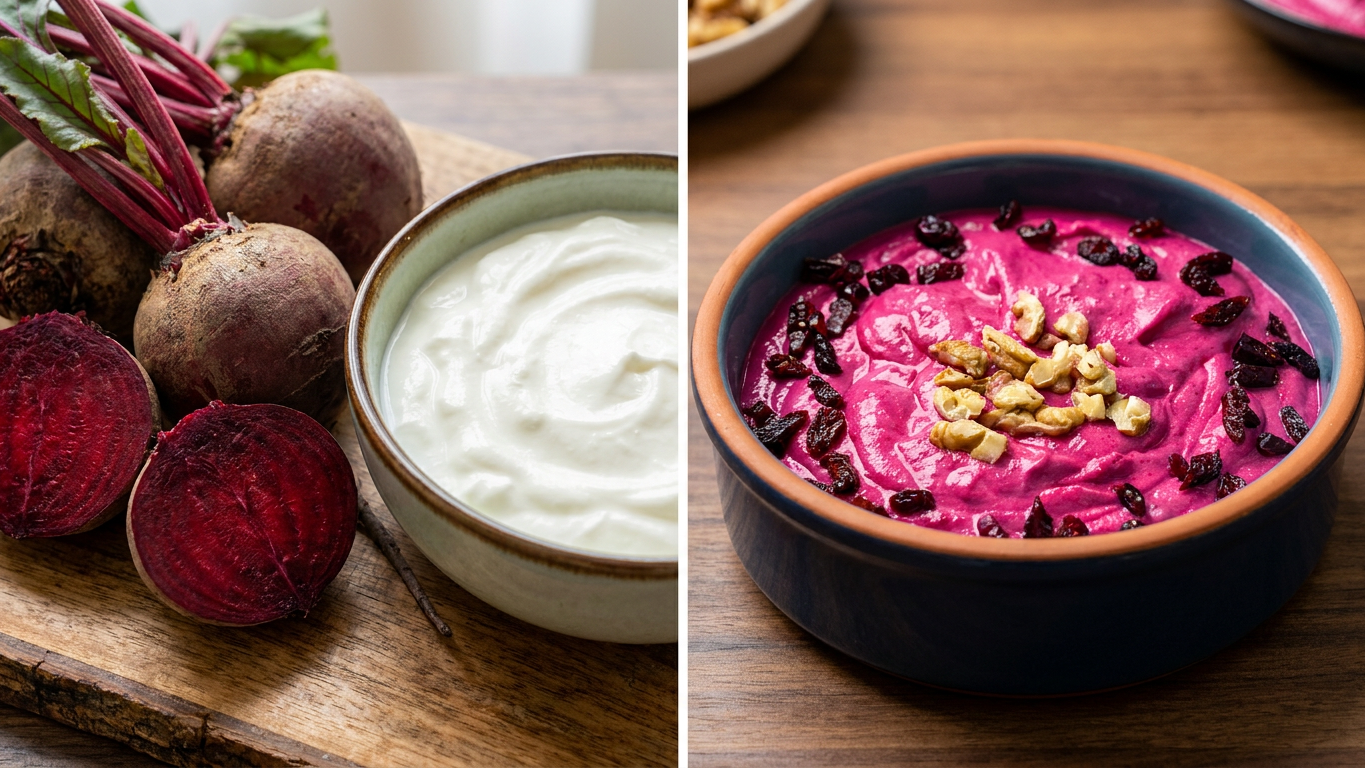
Traditional dips and spreads have remained part of many food cultures for generations because they combine real ingredients, rich flavor, and nourishment in a naturally satisfying way. Foods such as hummus, yogurt dips, bean spreads, herb sauces, and nut-based pastes continue to remain popular because they are built around simple wholesome ingredients rather than heavy processing.
One of the reasons traditional dips feel more satisfying is the balance of texture, flavor, and nourishment they provide. Ingredients such as chickpeas, tahini, olive oil, yogurt, garlic, herbs, nuts, and spices contribute protein, fiber, healthy fats, and savory richness that help foods feel more substantial and filling.
Unlike many highly processed snacks, traditional dips are also often designed to be eaten slowly and shared alongside breads, vegetables, grilled foods, or simple homemade meals. This creates a more balanced and mindful eating experience centered around flavor, variety, and comfort.
Hummus is a strong example of this balance. Chickpeas and tahini provide richness and texture, while olive oil, lemon, and garlic create freshness and depth without requiring artificial flavoring or excessive ingredients. Small additions such as garlic chili oil, herbs, or roasted vegetables can further enhance flavor while still keeping the dish rooted in simple homemade cooking.
Traditional dips also reflect an important part of communal food culture across many Eastern and Middle Eastern cuisines. Shared platters, mezze spreads, and small flavorful dishes continue to remain connected with hospitality, gathering, and relaxed home-style meals.
Today, many people continue to return to traditional dips because they offer something that highly processed snacks often lack — real ingredients, meaningful flavor, nourishment, and the comforting feeling of homemade food prepared with simplicity and balance.