
Eggs: Nutrition, Protein, and Why They Remain a Daily Staple Around the World

Few foods are used as widely and as frequently as eggs. They appear in breakfasts, baked dishes, sauces, desserts, breads, rice dishes, sandwiches, and quick home-cooked meals because they are affordable, fast to prepare, and naturally rich in nutrients.

One large egg contains high-quality protein along with nutrients such as vitamin B12, vitamin D, selenium, choline, and healthy fats. Eggs are especially valued because they contain all essential amino acids, which is why they are commonly described as a complete protein source.

Protein-rich foods like eggs are often included in meals because they help support muscle maintenance and may help people feel fuller for longer compared to meals built mainly around refined carbohydrates. This is one reason egg-based breakfasts are frequently discussed as a practical option for sustaining energy throughout the morning.

Eggs are also highly versatile in cooking. They can be boiled, fried, poached, baked, scrambled, steamed, or folded into both savory and sweet dishes. Their ability to absorb herbs, spices, vegetables, cheese, and sauces makes them easy to adapt across different cuisines and flavor profiles.

In South Asian cooking, dishes such as Khageena – Spiced Desi Masala Scrambled Eggs transform simple scrambled eggs into something much richer through onions, chilies, coriander, and spices cooked directly into the eggs. In other styles of cooking, eggs may be baked into High Protein Egg Cups, added to fried rice, layered into sandwiches, or paired with vegetables and breads for quick balanced meals.

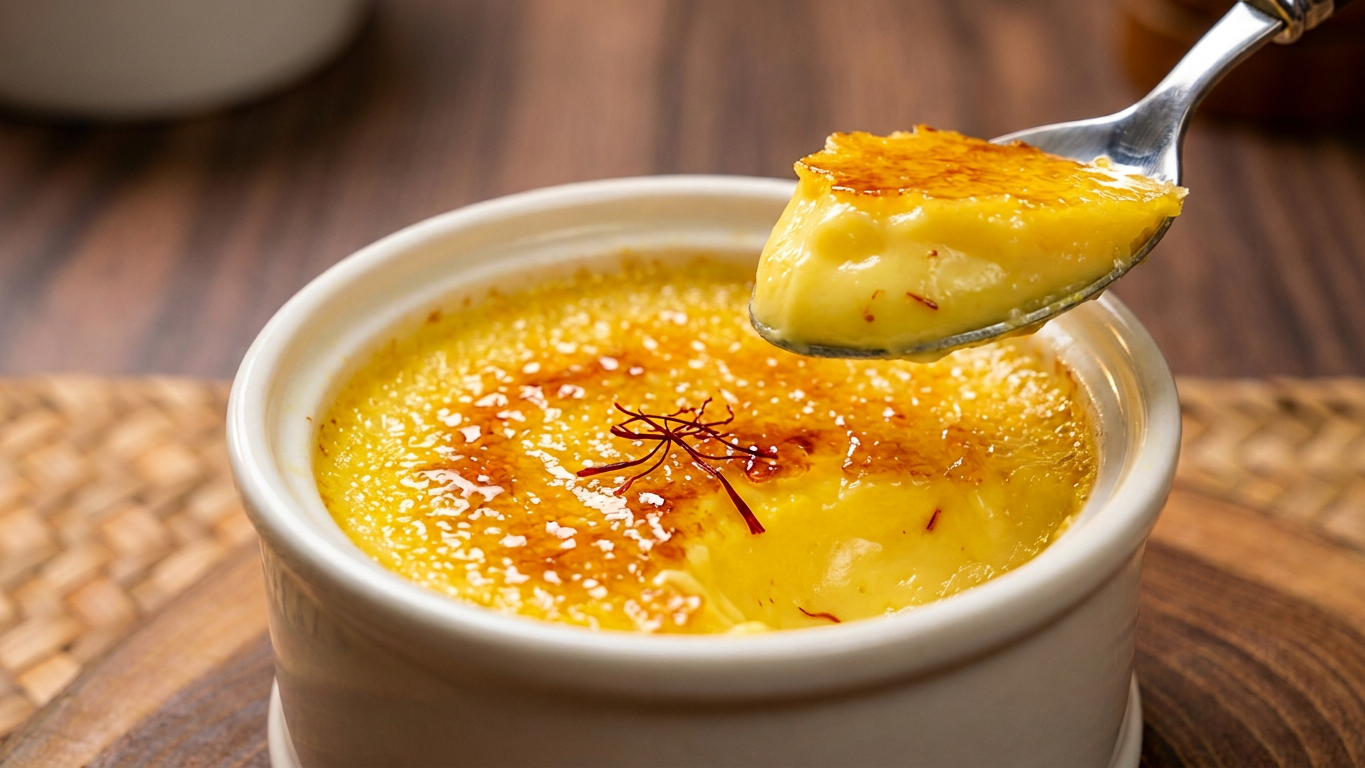
Eggs are also essential in many desserts because of the structure and richness they provide. Custard-based desserts such as Saffron Crème Brûlée rely on eggs to create their smooth, silky texture while balancing cream, sugar, and delicate flavors into a dessert that feels both light and luxurious.

Another reason eggs continue to remain important in everyday cooking is convenience. Within minutes, they can become a complete meal, snack, or side dish using ingredients already available in most kitchens. This practicality is one reason eggs continue to stay relevant in both traditional home kitchens and modern busy lifestyles.

Their natural balance of protein, fats, flavor, and versatility allows eggs to work equally well in hearty savory meals and refined desserts. Whether prepared as spicy khageena, baked egg cups, omelets, or silky custards, eggs continue to prove why they remain one of the most dependable ingredients in kitchens around the world.
The Importance of Protein in Balanced and Nourishing Meals

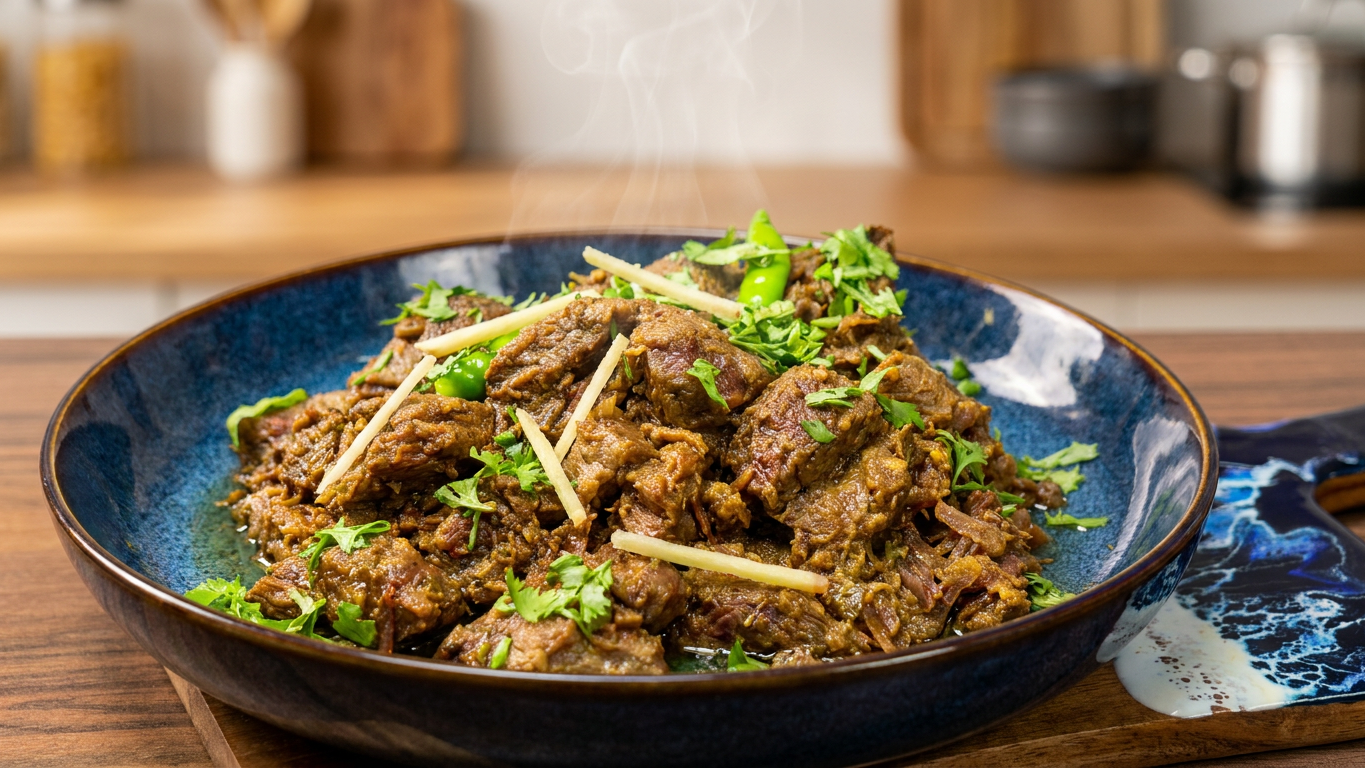
Protein plays an important role in balanced eating and continues to remain one of the most valued nutrients across many traditional and modern diets. Foods naturally rich in protein are often appreciated because they help meals feel more satisfying, nourishing, and sustaining throughout the day.

In many traditional cuisines, protein-rich foods such as meat, eggs, yogurt, cheese, lentils, nuts, and legumes were commonly paired with grains, vegetables, and spices to create balanced meals that provided both nourishment and variety. Dishes centered around quality protein sources often became staples because they combined comfort, flavor, and long-lasting satisfaction.

Protein is widely discussed for its role in supporting muscle maintenance, strength, and overall body function. It is also often appreciated because protein-rich meals may help people feel fuller for longer compared to meals made mostly from refined carbohydrates alone. For this reason, many people prefer including moderate amounts of protein as part of balanced and mindful eating habits.

Foods such as beef, eggs, cheese, yogurt, nuts, seeds, and legumes are naturally rich in protein while also contributing important nutrients including iron, calcium, healthy fats, vitamins, and minerals. Combining different protein sources in meals can also help create better texture, flavor, and nutritional variety.

At the same time, balance remains important. Traditional home-style cooking often focused not only on protein itself but also on pairing it thoughtfully with vegetables, grains, herbs, and spices. This combination helped create meals that felt hearty, comforting, and nourishing without becoming overly heavy.

Today, high-protein meals continue to remain popular among people looking for satisfying and wholesome food choices. Whether prepared as slow cooked dishes, soups, curries, grilled meals, or protein-rich snacks, these foods continue to play an important role in balanced and flavorful everyday cooking.

Why Karela Continues to Be Valued in Traditional Cooking

Karela, also known as bitter melon or bitter gourd, is one of the most distinctive vegetables used across South Asian, Middle Eastern, and many Asian cuisines. While its natural bitterness may seem unusual at first, karela has remained an important part of traditional cooking for generations because of both its unique flavor and its association with balanced, wholesome meals.

In many traditional kitchens, bitter foods have long been appreciated as part of balanced eating habits. Rather than focusing only on rich, sweet, or heavily savory flavors, traditional cuisines often included a wider range of tastes to create meals that felt more complete and nourishing. Karela became especially valued because it brings a bold and refreshing contrast to everyday cooking.

Karela is also naturally low in calories while containing fiber, vitamins, and plant compounds that contribute to its reputation as a wholesome vegetable. In many traditional food cultures, karela is also commonly discussed for its association with balanced eating habits and mindful approaches to blood sugar management.

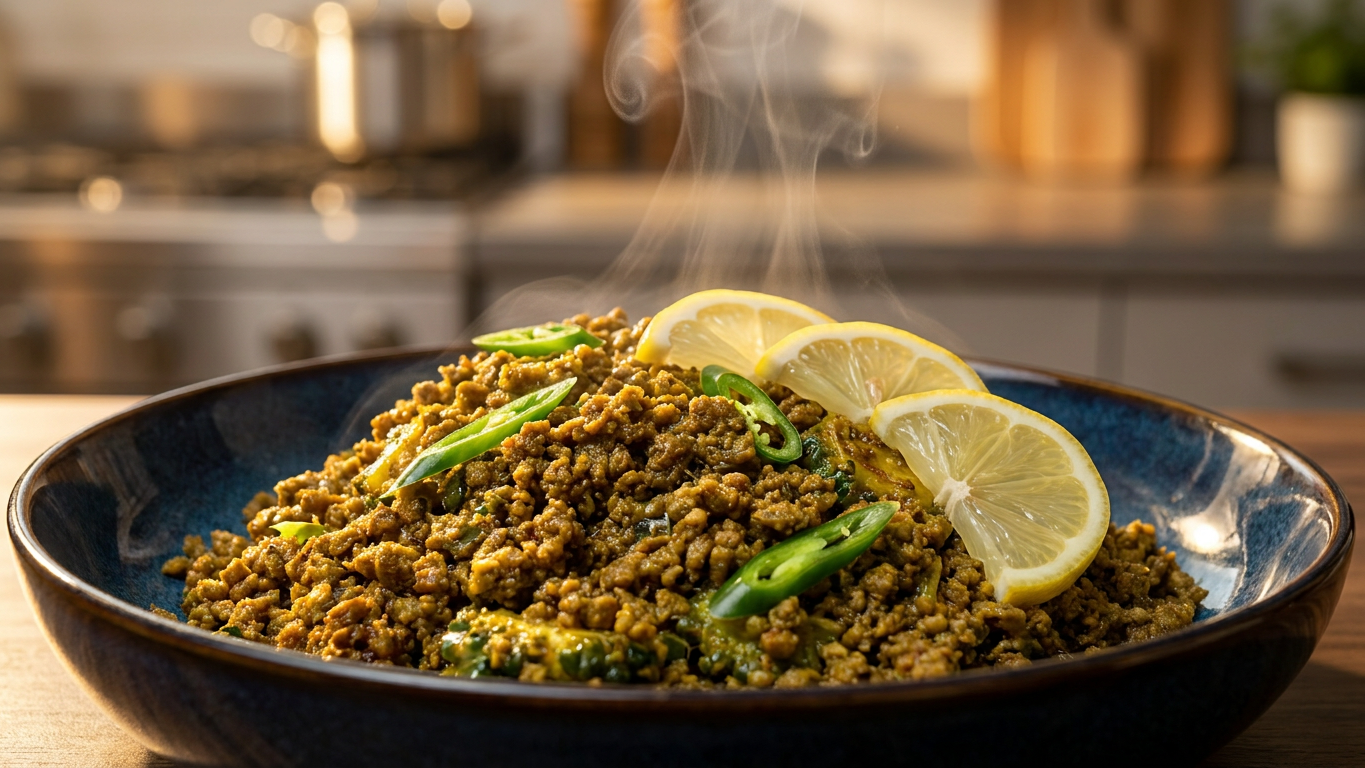
Another reason karela continues to remain popular is its versatility. It absorbs spices and savory ingredients beautifully, allowing it to pair well with onions, tomatoes, minced meat, lentils, and tangy flavors such as lemon juice or tamarind. These ingredients help soften and balance the bitterness while still preserving the character that makes karela distinctive.

Traditional cooking methods also developed ways to make karela more approachable. Lightly salting sliced karela before cooking, slow cooking it with onions and spices, or combining it with rich savory ingredients are all techniques that help create a more rounded and comforting flavor.

Beyond its nutritional qualities, karela also represents an important part of traditional food culture. Many people continue to value it because it reflects a style of cooking based on patience, simplicity, and thoughtful balance rather than excess. Recipes made with karela often feel deeply rooted in comforting everyday meals that have been passed through generations.

Today, karela continues to hold a meaningful place in many kitchens because it combines nourishment, bold flavor, and tradition in a uniquely satisfying way. Whether prepared as Keema Karela, or stuffed with spices, lightly fried, or simmered with onions and tomatoes, karela remains one of those timeless ingredients that continues to connect traditional wisdom with mindful and flavorful cooking.

The History, Tradition, and Cultural Significance of Talbina

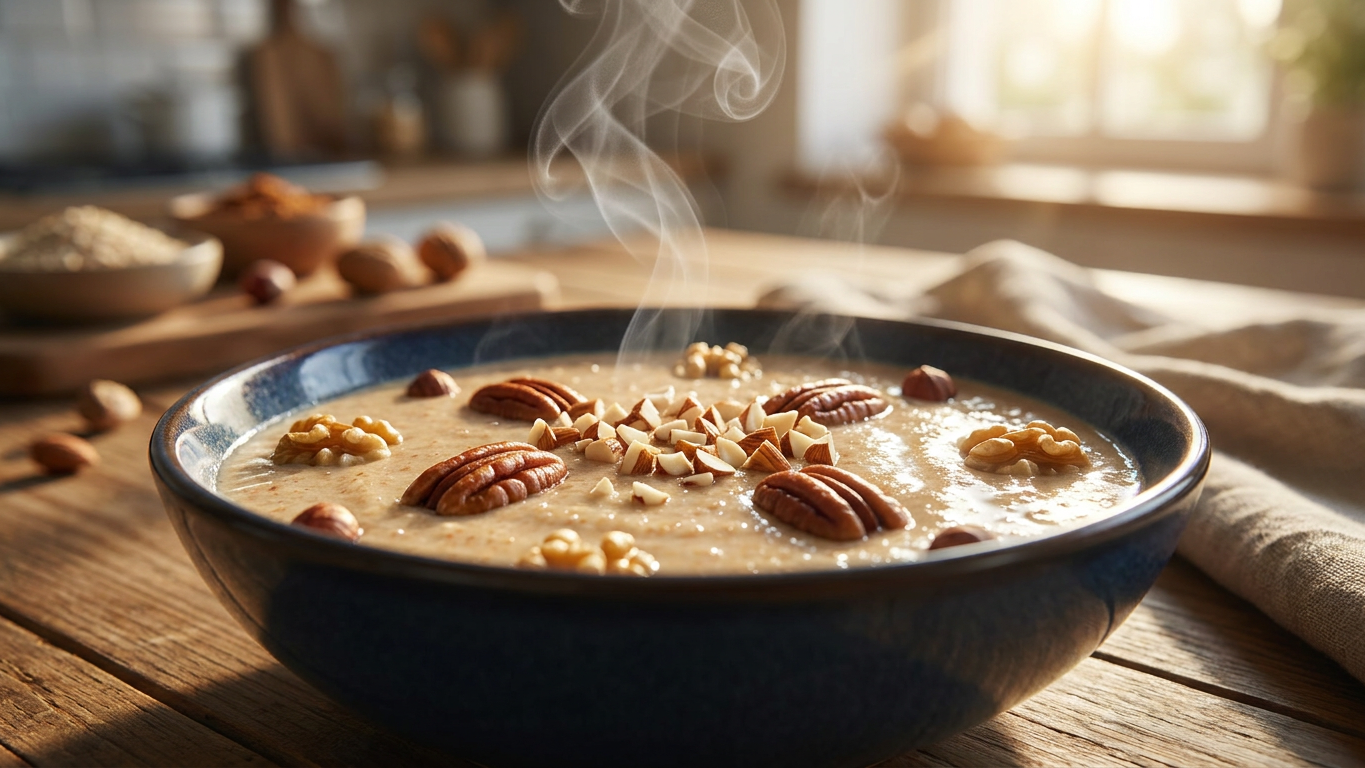
Talbina is a traditional barley-based dish that has been appreciated for generations across many Muslim and Middle Eastern communities. Its name comes from the Arabic word “laban,” referring to milk, because of its soft pale appearance and smooth consistency when prepared.

Traditionally made with barley flour or ground barley simmered with milk or water, talbina is known for its gentle texture and comforting nature. Over time, many regions developed their own variations by adding ingredients such as dates, honey, cinnamon, or nuts while still preserving the simplicity that defines the dish.

Talbina is also widely recognized in Prophetic tradition and continues to hold a special place in many Muslim homes. Because of its warm and soothing nature, it has long been associated with comfort, nourishment, and gentle care during times when simple wholesome foods are preferred.

Barley itself has historically been valued across many cultures due to its versatility and nourishing qualities. Recipes based on barley often reflect a slower and more balanced style of eating centered around simplicity, moderation, and nourishment.

Today, talbina continues to resonate with modern kitchens because it naturally aligns with mindful eating habits and comforting homemade food. Its creamy texture, mild flavor, and flexibility make it easy to adapt while still preserving its traditional roots.

Whether served plain, lightly sweetened with dates, or topped with nuts and warming spices, talbina remains one of those timeless dishes that beautifully connects tradition, comfort, and nourishment across generations.

The Tradition and Cultural Influence Behind Stuffed Beef Rolls

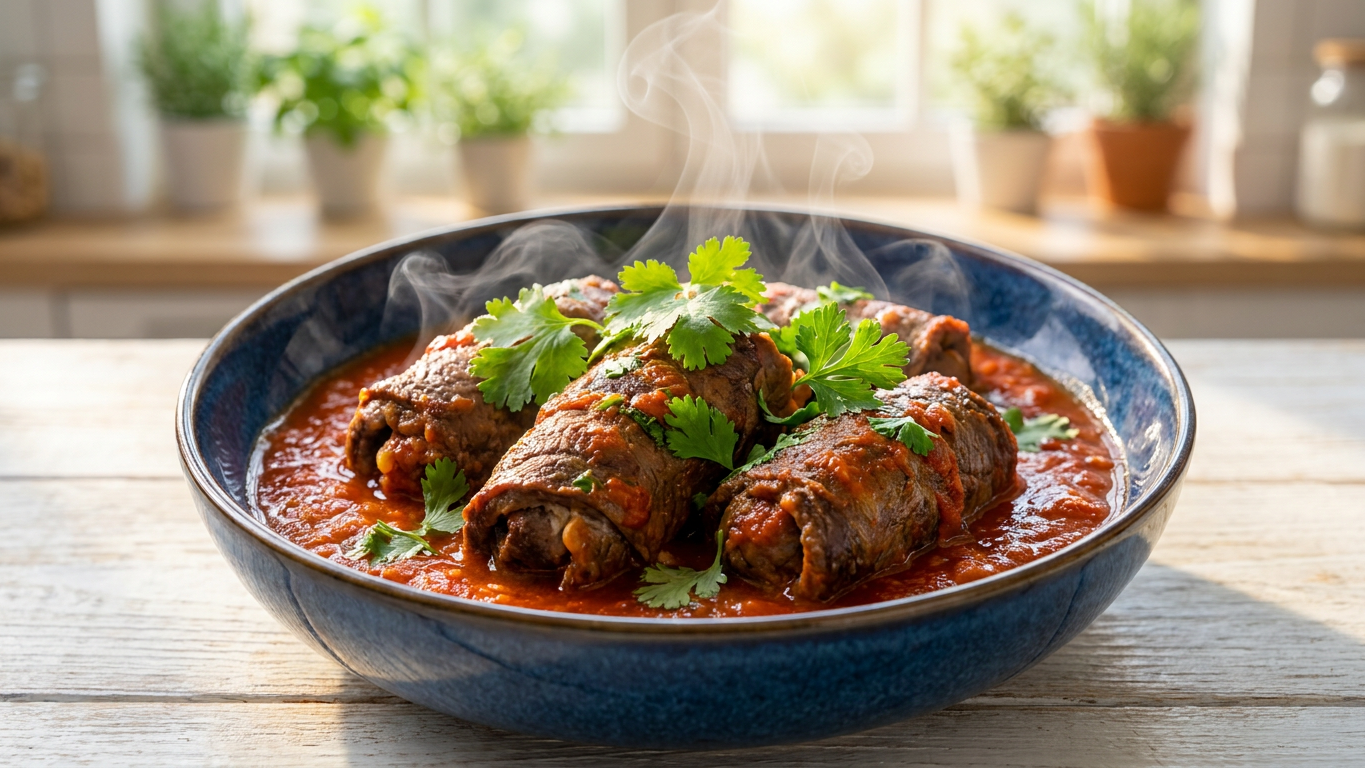
Stuffed and rolled meat dishes have appeared across many culinary traditions for generations, each region developing its own variations based on local ingredients, spices, and cooking styles. From Eastern Europe’s roulades to Mediterranean stuffed meats and Middle Eastern filled dishes, the idea of wrapping flavorful fillings inside thin cuts of meat has remained widely loved because of both its practicality and comforting flavor.

In many traditional kitchens, these dishes were often prepared for gatherings, family dinners, or occasions where meals were meant to feel slightly more special while still using accessible ingredients. Slow cooking the rolls in sauce allowed tougher cuts of meat to become tender while also building rich layers of flavor.

Over time, different cultures adapted stuffed meat rolls to reflect their own culinary identities. Some versions focused on herbs and vegetables, while others incorporated cheese, nuts, dried fruits, or warming spices. The balance between savory richness and gentle sweetness found in many rolled meat dishes continues to make them especially comforting and satisfying.

This version draws inspiration from that broader tradition while bringing together creamy cheese, herbs, nuts, cranberries, and a rich tomato sauce for a more modern fusion-style approach. The combination of textures and flavors creates a dish that feels elegant enough for gatherings while still maintaining the warmth and comfort associated with slow cooked home-style meals.

Today, Stuffed Beef Rolls continue to remain popular because they combine presentation, flavor, and comfort in a way that feels timeless across many cuisines. Whether served for a family dinner or a special meal, they represent the kind of cooking that values patience, richness, and shared dining experiences.

Shami Kabab | Easy Pakistani Beef Kabab Recipe

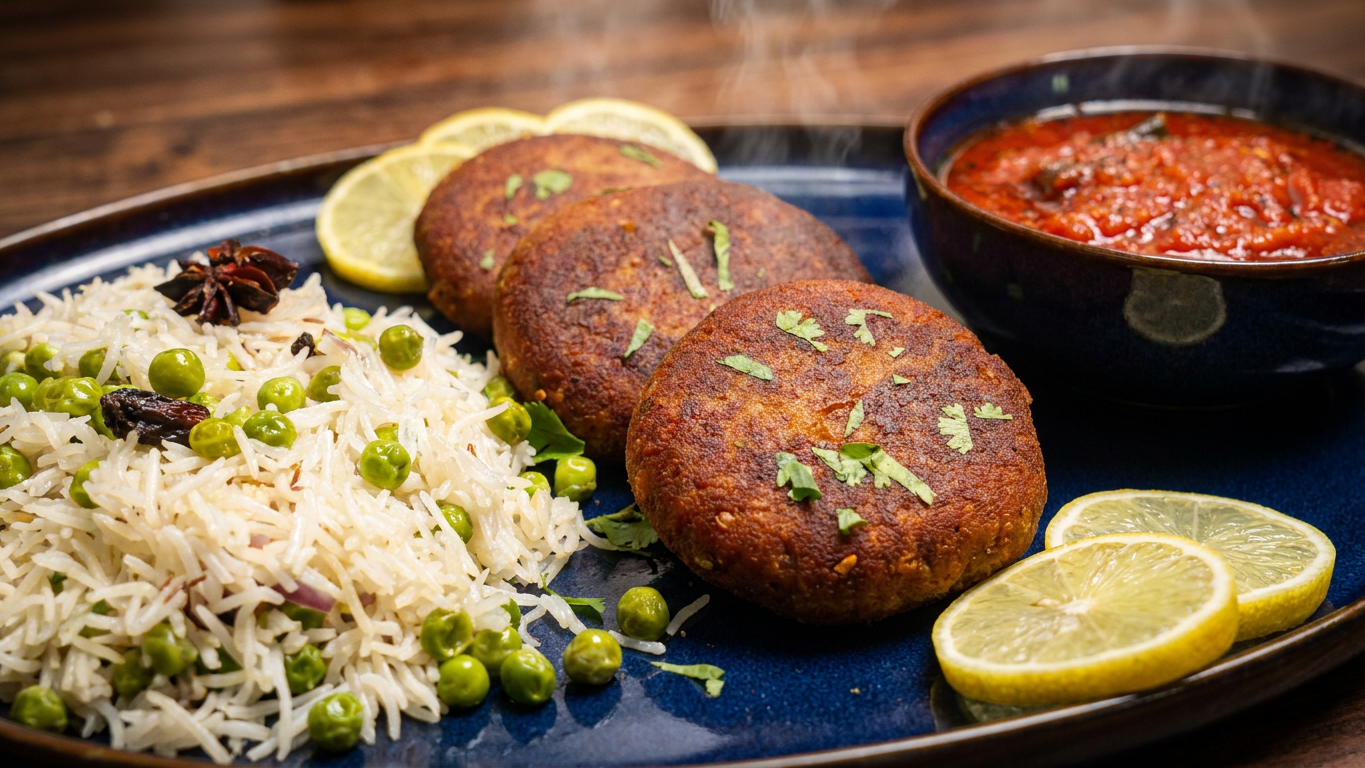
Shami kabab is known for its remarkably soft texture, rich aroma, and delicate balance of meat, lentils, and spices blended into a mixture that becomes crisp outside while staying tender inside. Unlike firmer grilled kebabs, shami kabab is prized for the way it almost melts with each bite while still carrying deep savory flavor.

Traditionally prepared by cooking meat together with chana dal, whole spices, onions, garlic, and ginger, the mixture is then ground until smooth before being shaped into patties and shallow fried until golden. This process creates the signature texture that makes shami kabab instantly recognizable across South Asian kitchens.

The lentils do more than simply stretch the meat mixture — they help create softness, structure, and balance while absorbing the flavor of the spices during cooking. Ingredients such as black pepper, cloves, cinnamon, cardamom, long pepper and green chilies build layers of warmth and aroma without making the kababs feel overly heavy.

Shami kabab is also valued for its versatility. It can be served with chutney, wrapped in paratha, placed inside sandwiches, enjoyed with tea, or prepared ahead for gatherings and freezer meals. Because the mixture holds shape well after cooking, shami kabab became especially popular for practical home cooking and festive preparations alike.

Crisp edges, soft centers, fragrant spices, and rich savory flavor continue to make shami kabab one of the most loved traditional kebab styles across South Asian cuisine.

Beef Shami Kabab

Tender, flavorful, and packed with aromatic spices, these Shami Kababs are a classic Pakistani favorite made with beef and lentils. Crispy on the outside and soft inside, they make a perfect tea-time snack, appetizer, or freezer-friendly meal prep option for busy days.
Prep Time 20 minutes
Pressure cook 1 hour 40 minutes
Total Time 2 hours
Course Main Dish, Snacks
Cuisine Indian, Mughlai, Pakistani
Servings 6

Equipment

  • Ninja Foodi This recipe can also be made in an Instant Pot, electric pressure cooker, stovetop pressure cooker, or on the stovetop.
  • Meat Chopper
  • Mixing bowl
  • Frying Pan

Ingredients
  

  • ¼ cup Oil
  • 1000 g Beef boneless cubes 1000g / 2.2 lbs
  • cup Ginger cut into small pieces
  • cup Garlic cut into pieces
  • cup Onions cut into small chunks
  • 2 tsp Salt
  • 3 tsp Red chili powder
  • ¼ cup Split Bengal gram (Chana dal) (helps create texture and structure)
  • 9 Dried button red chilies Whole spice
  • 5 Black cardamom Whole spice
  • 5 Green cardamom Whole spice
  • 7 Cloves Whole spice
  • 5 Long pepper Whole spice
  • ½ tsp Black pepper whole spice
  • 2 inch Cinnamon stick Whole spice
  • 5 Cubeb pepper (Tailed Pepper or Kabab chini) Whole spice
  • 2 tsp Red chili flakes
  • 2 tbsp Lemon juice
  • 2 Whole eggs (help bind the Kabab together)
  • ½ cup Yogurt Strained

Instructions
 

  • Cooking the Meat
  • Add oil to the inner pot of Ninja Foodi.
  • Add meat.
  • Add ginger, garlic and onions.
  • Add salt and red chili powder.
  • Add Split Bengal gram.
  • Add whole spices.
  • Mix well and level meat for even cooking.
  • No need to add water. Even after straining, the washed meat releases enough moisture for pressure cooking in Ninja Foodi or Instant Pot.
  • Pressure Cooking
  • Cover with pressure lid and pressure cook on High until the meat is tender, about 1 hour 40 minutes and release the pressure naturally.
  • Reducing the Moisture
  • After pressure cooking, open the lid and mix well.
  • Cover with glass lid and cook on saute mode over Medium-High.
  • Stir occasionally, cook until moisture dries out.
  • Turn off the heat and let it cool.
  • Grinding the Meat
  • Remove the whole spices, then grind the meat in small batches and transfer to a mixing bowl.
  • Preparing the Kabab Mixture
  • Add chili flakes to the ground mixture.
  • Add lemon juice.
  • Add eggs.
  • Add yogurt.
  • Mix well.
  • Shaping the Kababs
  • Lightly grease your hands with oil before shaping the kababs to prevent the mixture from sticking.
  • Shape the mixture into kababs.
  • Shallow Frying the Kababs
  • Heat a little oil in frying pan.
  • Shallow fry the kabab on medium heat until beautifully golden brown and crispy.
  • These kababs are crispy on the outside and juicy on the inside.
  • Storage
  • Store unfried Shami Kababs in an airtight container in the refrigerator for up to 4-5 day
  • Freezing
  • Freeze the shaped unfried kababs in a freezer safe container for up to 6 months. Separate layers with parchment paper to prevent sticking.
  • Serving Suggestion:
    Pair with parathas, chapati, rice, sandwiches, burgers, or wraps for a versatile meal or snack.
    Don't have Whole Spices? No Problem!
    Even if you do not have the full list of whole spices, the recipe will still turns out delicious. The combination of meat, Chana Dal, onion, ginger, garlic, salt, chili powder, yogurt and eggs still creates flavorful and satisfying Shami Kababs. Use whichever whole spices are available for extra depth and aroma.
Keyword Beef Kabab, Beef Recipe, Desi Recipes, Eid Recipes, Freezer Friendly, High Protein, Indian Food, Kabab Recipe, Make Ahead, Meal Prep, Mughlai Cuisine, Pakistani Food, Ramadan Recipes, Shami Kabab, Snack Recipe, Tea Time Snack

Date and Nut Bars | Healthy Homemade Energy Bars

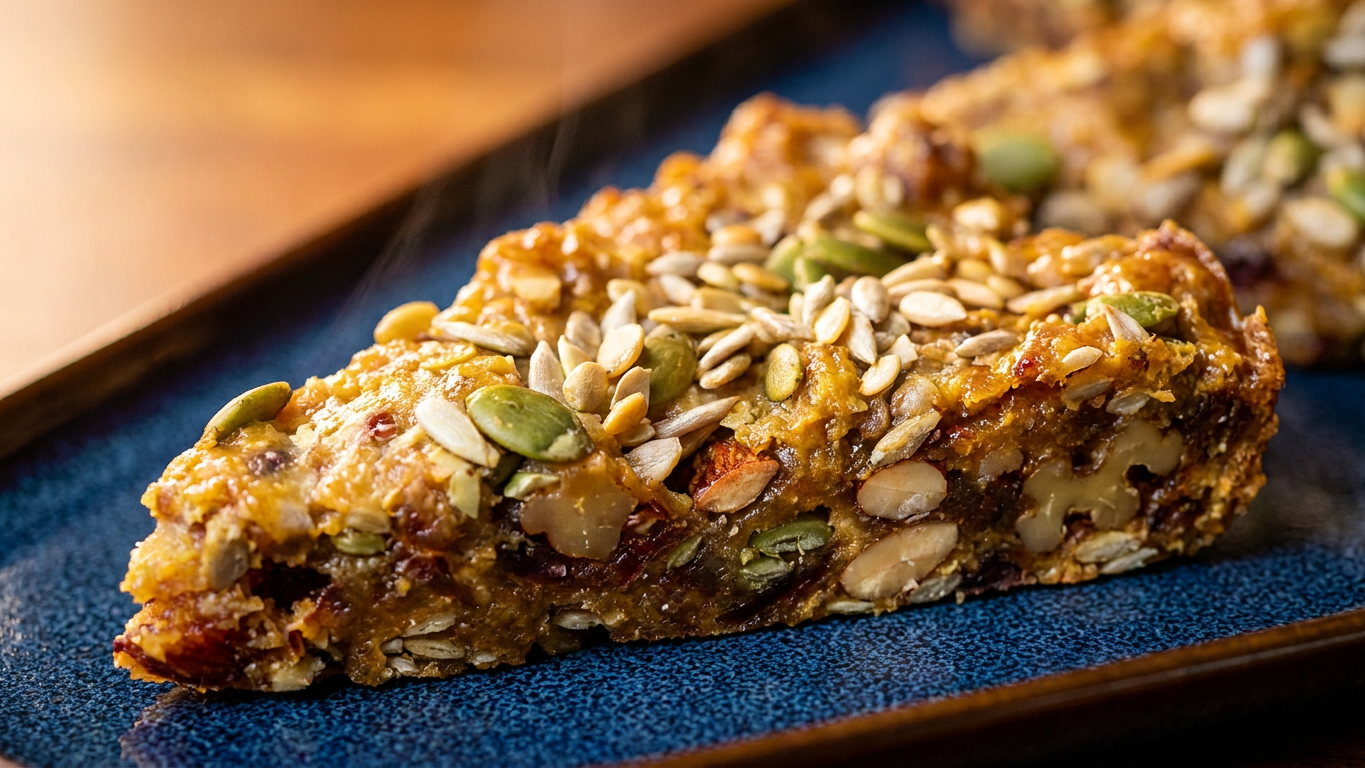
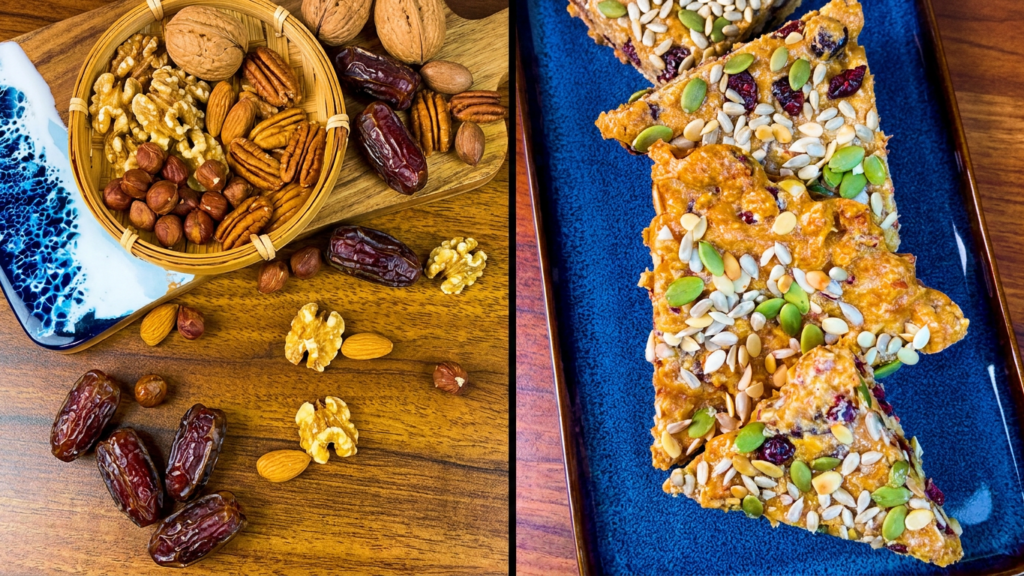
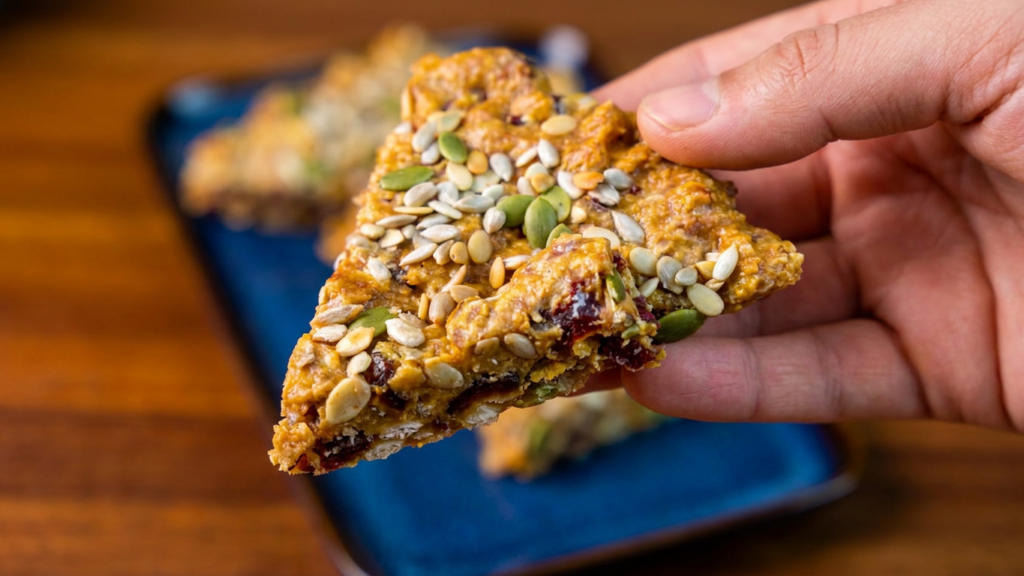
These date and nut bars bring together buttery biscuit crumbs, soft dates, crunchy nuts, coconut, and condensed milk into a rich baked treat filled with texture and sweetness. Every slice carries layers of chewiness, crunch, and caramel-like flavor, making the bars feel indulgent while still built around familiar pantry ingredients.

The crushed biscuits create structure and buttery richness, while the dates and condensed milk hold everything together into a dense and satisfying bite. Toasted nuts add crunch throughout the bars, and the coconut gives a light sweetness and texture that balances the richness beautifully.

Cut into triangles or slices, these bars work perfectly for tea time, dessert platters, gatherings, gifting, or quick homemade treats kept ready in the fridge. Their combination of crunch, chewiness, and buttery sweetness is what makes them so difficult to stop reaching for once sliced.

Chewy Date and Nut Dessert Bars

Soft, chewy, and naturally rich in flavor, these Date and Nut Bars combine crunchy nuts with sweet dates for an easy homemade treat. Perfect as an energy snack, tea-time bite, or healthier dessert option, these bars are simple to make and wonderfully satisfying.
Prep Time 10 minutes
Baking Time 1 hour
Total Time 1 hour 10 minutes
Course Dessert
Cuisine Middle Eastern-Western Fusion
Servings 6

Equipment

  • Chopping Board
  • Knife
  • Mixing bowl
  • Spatula
  • Tart pan 23.5 x 2.96 cm (9.25 x 1.15 inches)
  • Oven

Ingredients
  

  • 1 cup Digestive biscuits Crushed
  • 1/4 cup Butter Softened
  • 1 cup Coconut Shredded
  • 1/2 cup Almond Dry roasted and Chopped
  • 1/2 cup Walnuts Dry roasted and Chopped
  • 1/2 cup Pecans Dry roasted and Chopped
  • 1/2 cup Hazel Nuts Dry roasted and Chopped
  • 1/2 cup Dates Chopped
  • 1 1/4 cup Condensed Milk Sweetened
  • 1 tsp Sunflower Seeds Dry roast
  • 1 tsp Melon Seeds Dry roast
  • 1 tsp Pumpkin Seeds Dry roast

Instructions
 

  • Preparing the Ingredients
  • Bring the butter at room temperature
  • Dry roast the nuts and seeds
  • Chop the dates and nuts
  • Crush the biscuit
  • Mixing the Ingredients
  • Mix butter and crushed biscuits in a bowl
  • Mix in all the nuts and dates
  • Pour in condensed milk and mix well
  • Preparation for Baking
  • Pour the mixture in a tart pan lined with parchment paper
  • Sprinkle the roasted nuts on the top
  • Baking
  • Transfer the tart pan in the oven.
  • Bake at 250 F for 60- 65 minutes or until you get your desired firmness and color.
  • Cooling & Cutting
  • Once cool cut into triangles.
  • Cool completely before cutting and use a sharp buttered knif
Keyword Chewy Dessert Bars, Date and Nut Bars, Date Bars, Dessert Bars, Easy Dessert Recipe, Eid Dessert, Energy Bars, Fusion Dessert, Healthy Dessert, Homemade Dessert, Homemade Snack, Make Ahead Dessert, Meaningful Masala, Middle Eastern Dessert, No Yeast Dessert, Nut Bars, Nuts and Dates, Snack Bars, Sweet Treats, Tea Time Snack

Saffron Crème Brûlée | Ninja Foodi Easy Dessert

This Saffron Crème Brûlée has a silky smooth texture with delicate saffron and cardamom flavor. The contrast between the crisp caramelized sugar topping and the silky custard underneath is what makes crème brûlée feel so unforgettable. This saffron-infused version adds another layer of warmth and depth, bringing delicate floral notes and rich color into a dessert already known for its smooth texture and elegant simplicity.

As the spoon cracks through the thin caramelized surface, the creamy custard underneath feels soft, rich, and deeply luxurious without becoming overly heavy. The saffron gently perfumes the dessert rather than overpowering it, allowing the custard, cream, and cardamom to remain beautifully balanced.

Although crème brûlée is often associated with fine dining, its ingredients are surprisingly simple — cream, eggs, sugar, and careful heat. The result is a dessert that feels refined through texture and technique rather than complexity. Served chilled with its freshly caramelized top, saffron crème turns a classic French dessert into something aromatic, elegant, and quietly indulgent.

Saffron Creme Brulee

Smooth, creamy, and delicately infused with saffron, this Crème Brûlée is an elegant dessert with a crisp caramelized sugar topping. Made easily in the Ninja Foodi pressure cooker, this rich and luxurious custard brings together classic French technique with a subtle Desi touch.
Prep Time 5 minutes
Pressure cook 6 minutes
Total Time 11 minutes
Course Dessert
Cuisine French
Servings 3

Equipment

  • Mixing bowl
  • Spatula
  • Whisk
  • Fine mesh strainer
  • 3 Ramekins
  • Ninja Foodi

Ingredients
  

  • 3 Egg yolks
  • 3 tbsp Sugar Fine
  • 1 1/2 cup Cream Heavy whipping
  • 3 pinch Cardamom powder
  • 1 tsp Saffron

Instructions
 

  • Mixing Egg yolks and Sugar
  • Mix egg yolks and sugar gently to avoid incorporating air.
  • Heating the Cream
  • Microwave the cream for 70 seconds.
  • Adding Cream into Egg yolk and Sugar Mixture
  • Slowly add the cream into the egg yolk and sugar mixture
  • Filling the Ramekins
  • Pour the mixture into the ramekins
  • Add cardamom powder, 1 pinch in each ramekin
  • Add few strands of saffron in each ramekin
  • Mix gently
  • Covering the Ramekins
  • Cover each ramekin with a piece of Aluminum foil
  • Pressure cooking
  • Place the trivet inside the inner pot of Ninja Foodi
  • Add 1 1/2 cup water in the inner pot
  • Place the ramekins on the trivet
  • Pressure cook at Hi for 6 minutes
  • Allow the pressure to release naturally for 6 minutes, then quick release any remaining pressure
  • The custard will still be slightly jiggly when warm, but will set completely after overnight chilling
  • Chilling Overnight
  • Refrigerate overnight
  • Caramelization
  • Sprinkle 1/3 tsp fine sugar into each ramekin
  • Use a kitchen torch or broiler to caramelize the sugar
  • Secret to Silky Smooth Texture
    Strain the mixture through a fine mesh before pouring into ramekins to remove egg bits, air bubble and froth for a silky smooth Creme brulee.
    Serve immediately after caramelizing the sugar.
Keyword Caramelized Sugar, Cream Dessert, Creme Brulee, Custard Dessert, Dinner Party Dessert, Easy Dessert, Eid Dessert, Elegant Dessert, French Dessert, Gourmet Dessert, Make Ahead Dessert, Ninja Foodi Dessert, Pressure Cooker Dessert, Ramadan Dessert, Restaurant Style Dessert, Rich and Creamy, Saffron Dessert, Vanila Custard

Black Pepper Benefits, Nutrition, and Why It Is Known as the “King of Spices”

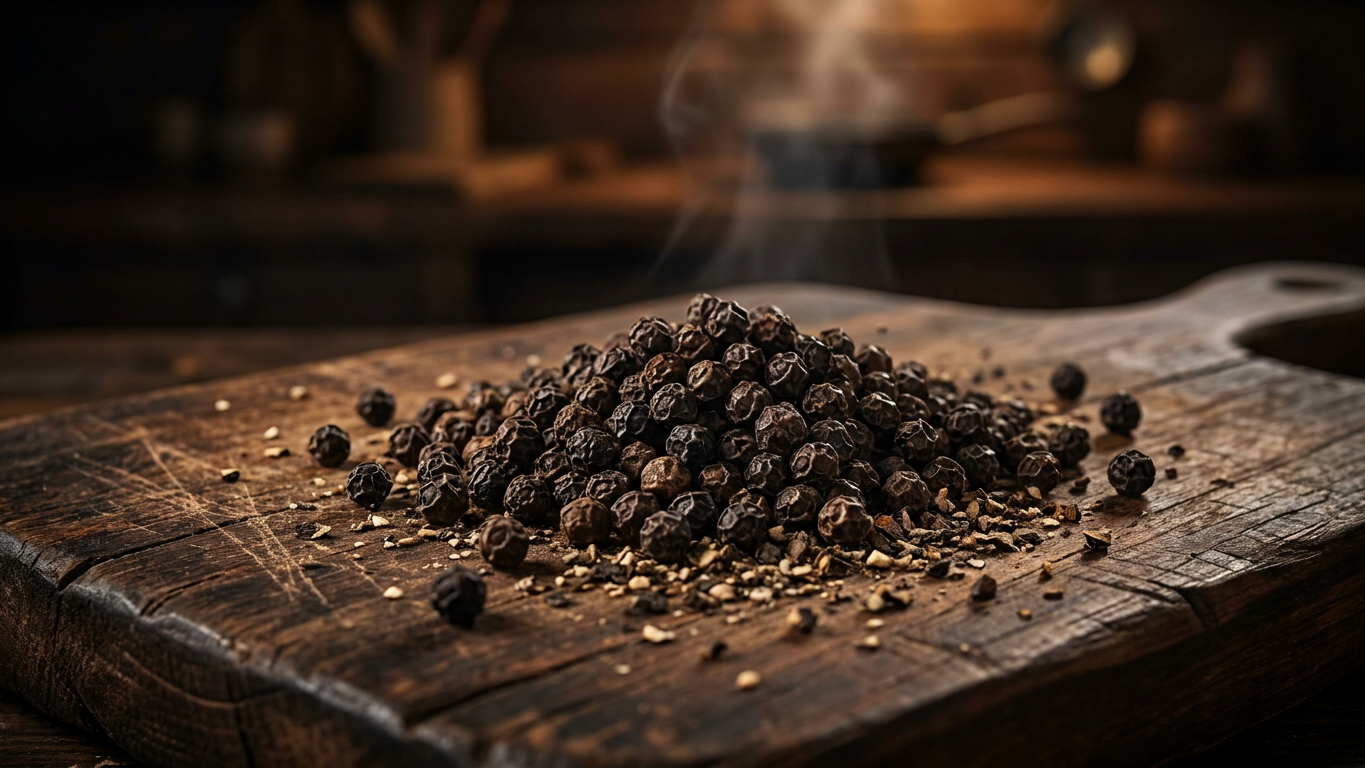
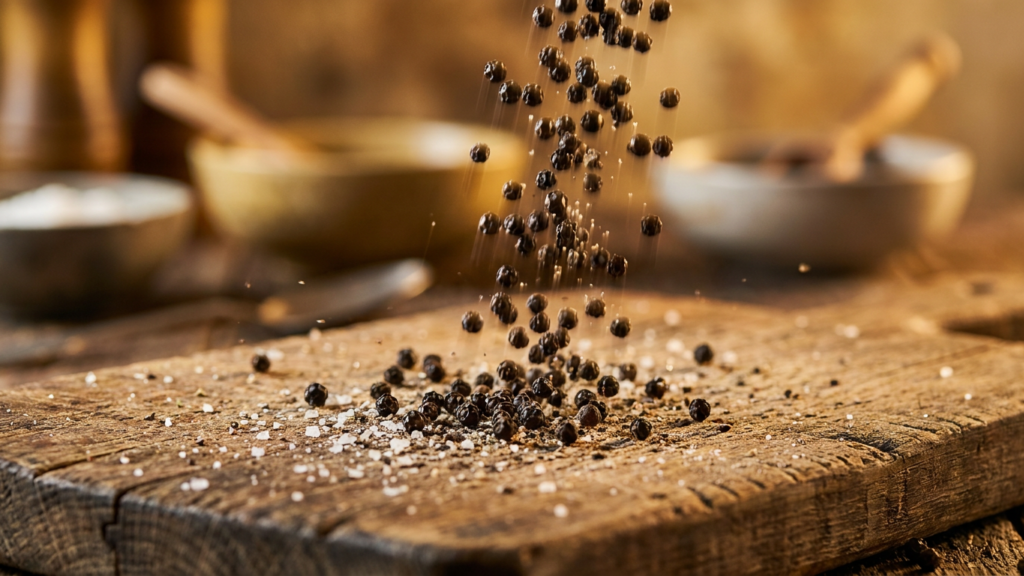
Black pepper is one of the most widely used spices in the world, yet it is often underestimated because of how commonly it appears in everyday cooking. Made from dried peppercorns, black pepper has been valued for centuries not only for its sharp heat and aroma but also for the many properties traditionally associated with it in both culinary and wellness-focused food cultures.

One of the most important compounds found in black pepper is piperine, which is responsible for its distinctive pungent flavor. Piperine is widely discussed because it may help improve the absorption and bioavailability of certain nutrients and plant compounds. This is one reason black pepper is frequently paired with ingredients such as turmeric, ginger, and herbal preparations in many traditional food practices.

Black pepper is also naturally rich in antioxidants and plant compounds that continue to make it a popular ingredient in balanced diets and wellness-focused cooking. Because of its strong aroma and concentrated flavor, even small amounts can significantly change the depth and character of a dish.

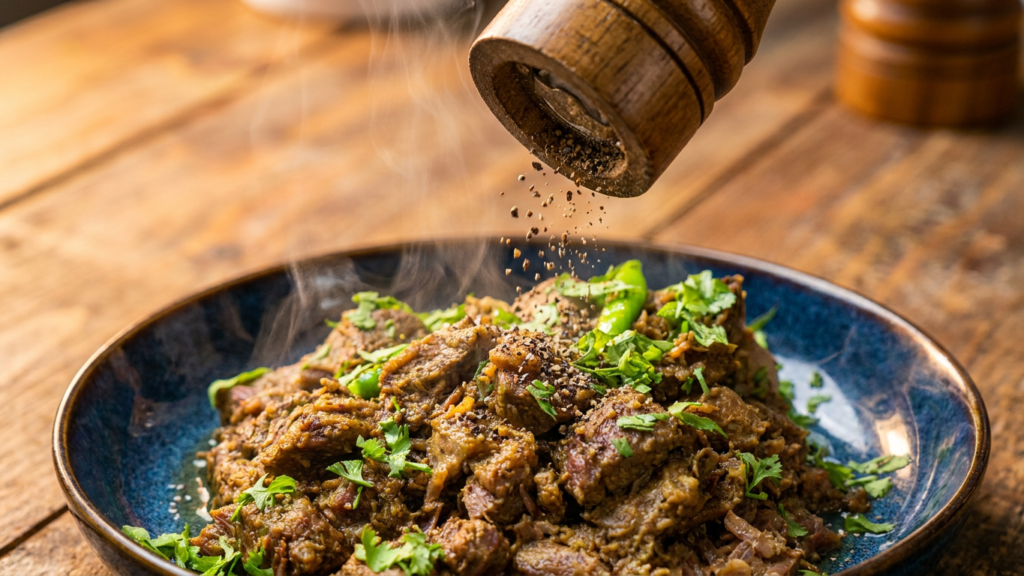
Another reason black pepper remains important in cooking is its versatility. It can add gentle warmth to soups, broths, eggs, vegetables, meats, sauces, marinades, salads, pasta dishes, and rice dishes without overpowering other ingredients. Freshly cracked black pepper especially brings a stronger aroma and more layered flavor compared to pre-ground pepper.

In savory cooking, black pepper is often used to balance richness and add depth to creamy or fatty foods. Dishes such as spicy pepper beef karahi, creamy beef and mushroom pasta, mutton yakhni, and masala egg dishes all rely on black pepper to create warmth, aroma, and complexity throughout the dish.

Black pepper is also frequently discussed in relation to digestion and appetite. In many traditional food cultures, warming spices such as black pepper and ginger have long been included in meals and drinks because they are associated with warmth, circulation, and digestive comfort.

Beyond flavor, black pepper has historically been one of the most valuable spices in global trade. It was once referred to as the “King of Spices” because of its importance in cooking, preservation, and commerce across Asia, the Middle East, and Europe. Its popularity continues today because it remains one of the easiest ways to add depth and aroma to everyday meals.

– [ ] Whether sprinkled over eggs, blended into spice rubs, stirred into soups, cracked over pasta, or added to rich meat dishes, black pepper continues to hold an essential place in kitchens around the world because it combines flavor, versatility, aroma, and widely appreciated wellness-supporting properties in one remarkably simple spice.

Ginger Honey Blend

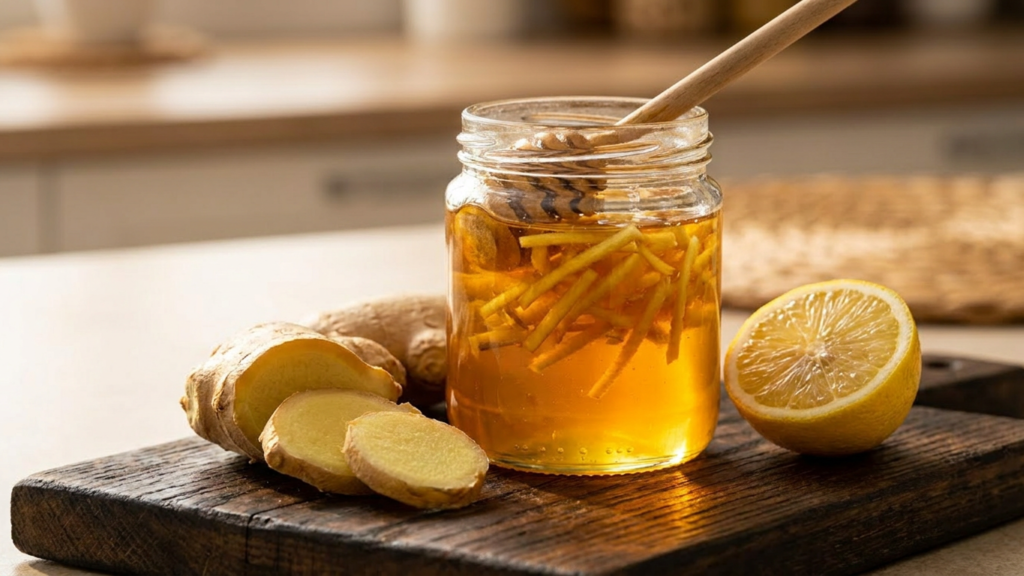
Fresh ginger slowly infused into honey creates a mixture that feels warming, sharp, and naturally soothing at the same time. The gentle sweetness of honey balances the spicy heat of ginger beautifully, creating a combination that has remained popular in many households for generations.

As the ginger rests in the honey, its flavor gradually deepens while the honey becomes more aromatic and infused with warmth. The result is a mixture that can be stirred into warm water, tea, herbal drinks, or simply enjoyed by the spoonful during colder weather and seasonal changes.

Ginger and honey are both widely appreciated because of their long history in traditional home remedies and comforting kitchen preparations. Ginger brings heat, freshness, and bold aroma, while honey adds smoothness and natural sweetness that softens the sharpness of the ginger without hiding its character.

Simple to prepare yet deeply versatile, ginger honey blend continues to remain a familiar kitchen staple for people who enjoy warming drinks, traditional homemade mixtures, and ingredients closely connected with seasonal comfort and everyday wellness routines.

Traditional Ginger Honey Remedy

Traditional Ginger Honey Remedy is a simple homemade preparation traditionally used to soothe the throat, ease chest congestion, provide warmth during colder months, and support overall wellness during seasonal changes.
Prep Time 5 minutes
Air-drying overnight 8 hours
Total Time 8 hours 5 minutes
Course Drinks
Cuisine Middle Eastern, South Asian

Equipment

  • Glass Jar Sterilized

Ingredients
  

  • Ginger Cut into small pieces or julienne
  • Honey Enough to cover the ginger pieces

Instructions
 

  • Preparing the Ingredients
  • Peel and wash the ginger thoroughly, then let it air dry overnight.
  • Cut the ginger into small pieces or thin julienne strips.
  • Add the ginger pieces to the sterilized glass jar.
  • Adding Honey
  • Pour enough honey to completely cover the ginger.
  • Let it rest at room temperature for a couple of days.
    The honey will become more liquid as the ginger releases its moisture.
  • Stirring
  • Stir occasionally.
  • Refrigerate
  • After a couple of days, refrigerate the jar.
  • How to Consume:
    Enjoy daily on its own or mix into tea or warm water to help soothe cough and cold symptoms during seasonal changes and colder months.
    Storage Tip: To increase the shelf life, air dry the ginger completely after washing.
Keyword Ginger and Honey, Ginger Benefits, Ginger Honey Mix, Ginger Honey Remedy, Healthy Lifestyle, Homemade Remedy, Homemade Wellness, Honey Benefits, Meaningful Masala, Natural Drink, Natural Remedy, Seasonal Wellness, Soothing Drink, Traditional Remedy, Traditional Wellness, Warming Drink, Wellness Drink, Winter Remedy
Privacy Overview

This website uses cookies to provide you with the best possible user experience. Cookie information is stored by your browser and performs functions such as recognizing you when you return to our website, as well as helping our team understand which parts of the website are most interesting and useful to you.